

Innovative Loans Strategies for 2024

Are you looking for innovative Loans strategies? You’re not alone. According to the Federal Reserve Bank of New York, total household debt rose to $17.69 trillion this quarter.

Traditional methods seem less effective as debt continues to rise, highlighting a need for more creative ways to resolve and manage debt.

Debt isn’t always easy to handle. Knowing that there are more creative options for managing debt reduces your stress.

Technological advancements offer personalized solutions that consider your unique circumstances. Blockchain provides secure and transparent transactions, and like peer-to-peer models, cuts out the middleman and saves you money.

Understanding Loans

Loans helps you avoid juggling multiple lenders with varying interest rates. It typically involves getting a loan through a company like Clear Bridge Lending to cover existing debts.

You may get better payment terms by combining several debts under one loan, along with lower monthly repayments and reduced interest rates.

Consolidating debt is an effective way to reduce the challenges of handling many loans. It can help you repair your credit score and live debt-free.

There are many ways to consolidate debt and get lower interest rates. The most common option is a consolidation loan or transferring your debts to a single credit card. Other traditional loans methods include:

  • Home equity loans
  • Debt management plans
  • Personal loans
  • Borrowing from retirement accounts
  • Debts settlement

These aren’t the only methods, though. As technology advances, more innovative loans solutions pop up. AI, blockchain, and even your peers may be able to help you.

Adapting to new financial tools and strategies can make consolidating debt less stressful and more beneficial.

Assessing your debt situation

The most important thing to do when creating a plan to handle your loans is to assess your debt situation. Take a detailed look at everything you owe and list out the following information for each one:

  • Debt type (e.g. credit card or student loan)

  • Interest rate

  • Total balance

  • Lender

  • Monthly payment

This list gives you a clear picture of what you owe. It comes in handy once you determine your repayment strategy. Understanding your debt situation also highlights the risks and benefits of consolidation strategies.

Using debt assessment tools in 2024, like consolidation calculators, helps summarize your debt and interest. It shows you the total amount you owe and gives you an average weighted interest rate. You can compare this data against what lenders offer.

A lower interest rate is the ideal outcome. Remember that your debt-to-income ratio (DTI) and credit score also affect what lenders offer you.

Top innovative loans strategies for 2024

Advancements in technology are getting broader every day. They don’t just help you manage your workflow or answer questions faster than Google.

Technology can also give you innovative loans strategies. It offers various benefits to you and the financial institutions that help you. Clear Bridge Lending is leading the way in finding new and creative ways to consolidate debt.

AI-driven advisors, apps for automated debt management, and personalized approaches are some of the innovative strategies we’ve uncovered.

AI-powered loans platforms

Clear Bridge Lending is constantly searching for innovative ways to help you consolidate your debt. Artificial intelligence (AI) is at the forefront of these leaps.

Generative AI companies have many solutions for you to take advantage of. They use existing patterns and data to provide personalized debt plans and AI financial advisory services.

AI-powered loans offers various advantages, including strategies and advice for your circumstances. It considers interest rates, credit score impact, and repayment terms to predict the most efficient consolidation strategies.

These platforms use real-time monitoring to track your financial situation and offer you the best advice. Some apps let you set up automated payments, so you don’t have to worry about managing them individually.

There are many AI loans strategies available. These platforms work with leading financial institutions, like Clear Bridge Lending, to help you manage your debt effectively.

Peer-to-peer lending

Peer-to-peer (P2P) lending is a loans strategy that lets you cut out the middlemen and get loans from individuals. It connects you directly to potential lenders.

P2P loans websites enable transactions and set the terms and rates, which can vary depending on your creditworthiness.

Investors set up accounts with the site and deposit money. The site uses it for loans for applicants who post their financial profiles.

Your financial profile categorizes your risk level and sets the interest rate on your loan. Offers will come through, allowing you to choose between them. The platform usually handles the monthly repayments and transfers.

Clear Bridge Lending offers P2P solutions through various types of lenders. We provide comprehensive services, ranging from student loan debt to medical and business debt.

Blockchain-based solutions

Blockchain-based loans strategies provide financial transparency, security, and efficiency to help track and manage debt transactions.

Studies show blockchain consolidation methods are more transparent and secure. They reduce risks by using digital encryption and time-stamping technologies to monitor transactions.

Blockchain loans removes intermediaries, allowing you to communicate and settle on terms directly with lenders. The improved security, debt recovery, and automated enforcement potential also mean lenders face less risk if you default.

You may get better rates due to the lower risk. Lenders also have the potential for higher returns. Clear Bridge Lending strives to integrate innovative loans strategies like blockchain to benefit you and the lender.

Customized debt management plans

Debt management plans (DMPs) are structured agreements with a credit counseling agency. They’re like a roadmap to help you reduce and remove your debt within a reasonable time frame.

Companies like Clear Bridge Lending create customized debt management plans to suit your specific situation. They negotiate with your creditors for better payment plans, interest rates, and fees.

Personalized DMPs use various loans strategies to tailor your budget according to your income and expenses. They may save you money, improve your credit score, and reduce debt and financial stress.

There are some downsides to using a DMP. They temporarily dip your credit score and may put you in more debt if you don’t stick to them.

The key to debt management success is understanding interest rates. They have a major impact on loans and consolidation strategies. Our Clear Bridge Lending advisors guide you through all the pros and cons before setting up a customized DMP.

Home equity line of credit

A home equity line of credit (HELOC) works similarly to a home equity loan (HOL). It lets you borrow money against your home equity. The difference is that you don’t take a lump sum, but a credit line.

A HELOC lets you use what you need as you need it. You can take the monthly repayment amount and repay it during the draw period.

The benefit of this loans strategy is that you don’t pay interest on the approved lump sum. You pay it on the amount you borrow as you use it. A HELOC can offer lower interest rates that are usually tax deductible.

Debt avalanche and snowball method

There are two excellent yet simple methods to help you organize your payments: debt snowball and debt avalanche.

  • Debt snowball method: This strategy creates a “snowball effect” as you pay your debts. You start by paying the minimum across all of them and add extra on the smallest. It helps you pay off the lowest balances first, clearing debt quicker.

  • Debt avalanche method: This method helps you save on interest and puts more money in your pocket in the long run. You pay the minimum across your debts and add more to the one with the highest interest rate.

Financial planning for debt relief isn’t only about managing your money today. It ensures sustainability for years to come. Who doesn’t want to be secure in their finances in the future?

Clear Bridge Lending commits to your financial health by standing with you throughout this journey. Our expert advisors provide continued personalized financial guidance. We help you navigate challenges and leverage new growth opportunities.

Take proactive financial steps by assessing your current situation and setting clear goals. Start building retirement and emergency funds. Use sustainable strategies like loans or the snowball or avalanche methods.

Are you ready to secure your financial future? Contact Clear Bridge Lending today so we can find a tailored strategy that works for you.

Leveraging technology for debt management

Technology has opened up opportunities to streamline the loans process. The most significant developments are financial apps for debt management.

There’s a wide range of debt management software known as debt payoff apps. They structure your debts, track your progress, and help you make payments through a user-friendly hub.

Debt payoff apps translate your finances into understandable data through educational tools. Here are three major ways they simplify your loans strategies:

  • They give you an overview of your financial health.

  • They analyze your debt and provide solutions to manage them.

  • They automate payments so you don’t run late and incur fees.

Here are some of the most popular debt payoff apps to manage and track debt in 2024:

  • Debt Payoff Planner

  • Tally

  • Bright Money

  • Qapital

  • Debt Payoff Assistant

Benefits of professional loans services

The benefits of loans vary depending on what you owe and the offers you get from lenders.

Clear Bridge Lending offers professional consolidation services that ensure you get the most effective services. We pay attention to you and your circumstances and find the best loans strategies for your needs.

Here are some of the key benefits you can expect from our professional loans services:

  • Simplified and faster debt repayments through a consolidation loan with a single monthly amount.
  • The potential to improve your credit score by making regular, on-time payments.
  • The chance to get better interest rates than your average weighted rate.
  • Access to innovative loans strategies that make your life easier and save you money.
  • Higher chances of negotiating better loan terms that reduce your overall repayment.
  • You’re more likely to get a fixed repayment schedule, so your payments remain the same and budgeting is easier.

Clear Bridge Lending is a leading loans platform, with plenty of wins under our belt. Don’t believe us? We have dozens of testimonials from satisfied clients to prove it.

Preparing for the future trends in loans

Preparing for the future is no simple task. Trends change, and the steps you need to take may seem unclear. Understanding these changes can help you make effective decisions about managing your debt.

Here are the most significant future loans trends we foresee thanks to technological advancements in debt management:

  • Maturing AI for debt collection and management.
  • AI that helps with vendor consolidation.
  • Technology that improves process automation for debt repayments.
  • Lenders that use technology to determine who can afford to repay them.

When you’re able to prepare for debt trends, building a plan for managing your loans becomes easier. To start loans, follow these few simple steps:

  • Check your credit score
  • Develop a DMP and set financial goals
  • Contact Clear Bridge Lending
  • Compare loan offers
  • Apply for a loan
  • Create a budget and repay the loan

Start your loans journey with Clear Bridge Lending

Getting out of debt doesn’t have to be a complicated process. There are various loans strategies to make your life easier.

You can choose from many strategies when you use professional loans services. Gain access to traditional and innovative methods to streamline your debt management.

Clear Bridge Lending offers innovative strategies to help you get the most effective loans services. Contact us today and get on the path to living a debt-free life.
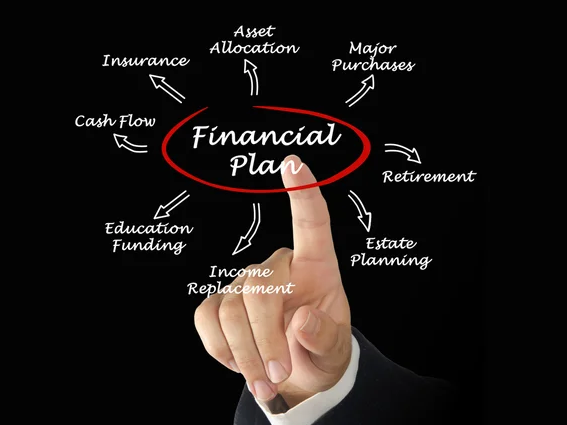
Long-Term Financial Planning for Sustainable Debt Relief

Why pursue financial planning for debt relief?

It paves the way toward a burden-free future. Tackling everything you owe can be overwhelming. Multiple payments, high interest rates, and unforeseen expenses are challenging to navigate.

United States consumers were $17.1 trillion in debt by the end of 2023. Is it possible to break free from these chains over time?

Yes, it’s possible with sustainable debt management, which involves crafting a plan that meets your needs and goals. It includes assessing your financial situation and using strategies to minimize costs.

The right approach can give you back control over your finances. Discover how to create a long-term plan and work toward financial freedom.

What is financial planning and sustainable debt relief?

Debt relief refers to strategies to decrease or rearrange what you owe. It helps you attain financial stability and reduce cost-related stresses.

Financial planning for debt relief involves working with an advisor. They guide you through the process and educate you on valuable skills. These experts help you understand your options and how to implement effective strategies.

Long-term, sustainable debt management utilizes practices for achieving financial stability. These methods include budgeting, paying off high interests first, and minimizing expenses.

Debt relief strategies should include long-term financial sustainability plans. Account for current expenses and future life goals. Wise investments and retirement preparations are also beneficial to include.

Sustainable practices help make the most of your current and future assets. Debt relief provides a strategy to settle outstanding payments and avoid new ones. Long-term planning gives your financial power back and aids in making better decisions.

Assessing your current financial situation

The first step in successful financial planning for debt relief is assessment. Understanding your current situation gives you a clear picture of your finances.

Cash flow management provides an excellent overview of how you spend. Analyze your monthly amounts to determine if you use more than you have. List all sources of income and regular expenses. Subtract the latter from the former to find spending areas to cut back on.

Assessing your assets and liabilities helps you understand your net worth. It shows you where you stand financially.

Assets may include a house, savings, motor vehicles, or investments. Liabilities cover all existing debts, like car loans, outstanding credit cards, and mortgages.

Strive to have higher assets than liabilities to build an exceptional financial reputation.

Financial assessment tools make the process easier. Budgeting apps, spreadsheets, and calculators help you track income and expenses. They give you information on spending trends and saving methods. You also learn how to monitor debt repayment progress.

Review your credit report activity regularly to monitor your score. Updating your spreadsheets ensures you find inaccuracies or uncertain costs.

Setting financial goals for debt relief

Why are financial goals important for long-term debt relief?

First, accumulating loans can be overwhelming if you lack a clear path. Setting realistic debt relief goals can relieve the burden and give you a sense of direction. It also helps you feel accomplished as you progress and tick off your achievements.

Financial planning for debt relief breaks down a monumental task into manageable steps. Setting short and long-term goals paves the way for paying off your expenses seamlessly.

Short-term goals focus on actions you can take immediately to clear debt. For example, pay off one credit card within six months. Another option is to put a specific amount into an emergency fund each month. This money helps you prepare for unexpected expenses.

Long-term goals are more comprehensive and take longer to achieve. You could aim to become completely debt-free in ten years. Settling a student or car loan within half a decade is also realistic.

Consider using the SMART approach. Each goal should be:

  • Specific. Simple, well-defined, and rational.

  • Measurable. Meaningful and criteria-specific, clarifying your landmarks, progress, and accomplishments.

  • Achievable. Possible to achieve.

  • Realistic. Relevant to your overarching objectives, within reach, and reasonable.

  • Timely. Based on a clear timeline with specific start and end dates.

    Prioritize debt repayment by determining which ones to tackle first. Focus on those with high interest, like credit cards.

Creating a long-term financial plan

Now it’s time to create a long-term financial plan that benefits you now and in the future. Start crafting your strategy once you’ve assessed your situation and established your goals.

Comprehensive financial planning sets the stage for long-term success. Go over the steps below to develop a clear path with your financial advisor:

  1. Set clear financial objectives. Write down all your goals, including any short, medium, and long-term ones that cross your mind. Remember the SMART approach.

  2. Estimate costs and revenues. Determine what you earn, what you expect to earn, and what your expenses will be for the next 5–10 years. Project the possible income, costs, inflation, and economic cycles within your estimations.

  3. Analyze your risks. Identify challenges, concerns, and potential risks that affect your goals. Consider how you could avoid or resolve the threats if they arise.

  4. Create a budget. Allocate your income to debt repayments, savings, investments, and non-essential expenses. Prioritize necessary spending over luxuries.

  5. Think about investing in your future. Take advantage of workplace opportunities like retirement savings. Consider a 401(k) or IRA for long-term financial stability.

  6. Manage your debts. Pay high-interest amounts first, like credit card balances. Consolidation or refinancing can provide lower interest rates and monthly charges.

  7. Monitor and review. Check your plan often to confirm you can still achieve your targets. Adjust your objectives if your income, expenses, or situation change.

    Investments are valuable to include in your plan. They could help increase your long-term wealth. Talk to your financial advisor about investing in bonds, mutual funds, and stocks.

Sustainable debt relief strategies

Financial planning for debt relief involves using sustainable strategies. Several options exist to help make your life easier and more manageable. They include:

  • Loans.
  • The snowball method.
  • The avalanche method.
  • Education and counseling.

Let’s go over them.

Loans

Managing money, credit, and loans is typically overwhelming. Loans can be a feasible way to handle these amounts efficiently. It simplifies payments and lowers interest rates by merging several debts into one.

Choosing loans takes away some of the stress related to juggling numerous payments.

Consolidation is valuable for sustainable debt management, providing these benefits:

  • Save money long-term.
  • Pay off what you owe sooner.
  • Access lower interest rates.
  • Improve your credit score.
  • Attain a better credit utilization ratio.
  • Build a reputable credit report.

Three primary loans methods exist, including:

  • Personal loans. Taking out a new loan to pay back existing debts. Lower interest rate options are preferable.
  • Balance transfer credit cards. Getting a card with a 0% annual percentage rate (APR) period. These options let you transfer several existing balances into one card. You then pay off the debts for a set time without extra interest.
  • Home equity loans. Use your property to consolidate debt. These options may come with lower interest rates than unsecured loans. It’s an optimal time for choosing them, as the first quarter of 2024 saw a 2.1% decrease in negative equity.

Clear Bridge Lending assists with your loans needs. We provide recommendations, guidance, and solutions to ensure you choose the appropriate option. Our team also negotiates with creditors to achieve better terms on your behalf.

Debt snowball vs. debt avalanche

Snowball and avalanche are debt repayment strategies that aid in tackling long-term objectives. They each offer unique pathways to achieving financial freedom.

The debt snowball method focuses on paying back your smallest balances first. Begin by making minimum payments on all your accounts. Next, contribute more to the one with the least amount owed.

You then move on to the bigger amounts once you’ve paid off the smallest. The method essentially rolls your payments forward. It builds momentum and motivation as you close each balance.

The pros of debt snowball include:

  • Boosts motivation and morale as you see debts disappear.
  • Easy to follow and implement.
  • Offers a working solution for people who get overwhelmed by multiple payments.

The only downside is that the debt snowball method may cost more in interest over time.

The debt avalanche method pays off the highest interest rates first. Continue making minimum payments on all owed amounts, but direct extra funds to the most burdensome ones. It helps you attain freedom more efficiently and minimizes total interests.

The pros of debt avalanche include:

  • Lowers the total interest you have to pay.
  • Provides significant long-term savings.
  • Helps you pay off debts more quickly.
  • Enables budget-oriented individuals to find a more ideal plan.

The disadvantage is that debt avalanche requires you to have patience and discipline. The early progress may seem slow and the savings could feel less rewarding.

Choosing the right method depends on your financial goals. Debt snowball may be best if you enjoy quick wins to stay motivated during your plan. It provides instant satisfaction and a clearer view of your progress.

The debt avalanche method is ideal if you want to minimize interest. It’s also better if you’re able to stay on track, motivated, and disciplined.

Align your debt repayment strategy with your financial goals. Consider how each affects your long-term savings and motivation. Both are useful and can lead to monetary freedom.

Financial education and counseling

Financial planning for debt relief isn’t only about clearing your balances. It’s about building lasting peace of mind and monetary health.

A vital element in the process is financial education. It benefits individuals and businesses while helping them make wise decisions. A solid foundation and understanding of different pitfalls support sustainable debt relief.

Financial counseling brings personalization into your plans. Your current situation is unique to others, so find an approach that works for you. Counselors tailor guidance to fit individual needs and address specific goals and challenges.

The team at Clear Bridge Lending provides updated debt advice. We offer various programs to empower and educate you along your journey. Our resources also help you understand saving, budgeting, and investing.


Implementing and adjusting your plan

Practical goals and clear steps help you implement your financial plan. Set actionable objectives based on your status and aspirations. Prioritize paying high-interest amounts, saving for retirement, and opening an emergency fund.

Review and adjust your goals once your plan is in motion. New objectives, life changes, and market fluctuations are reasons to update your targets. Regular check-ups maximize the chances of maintaining effectiveness. They also stay relevant for a successful financial journey.

Motivation in debt relief might be challenging. Breaking down large debts into manageable portions helps prevent you from getting overwhelmed.

Celebrating small victories keeps you encouraged. Tell supportive friends and family about your goals. They can keep you motivated by encouraging your efforts. You can also cheer yourself on by getting a reward when you reach different milestones.

Attain long-term financial sustainability with Clear Bridge Lending

Financial planning for debt relief isn’t only about managing your money today. It ensures sustainability for years to come. Who doesn’t want to be secure in their finances in the future?

Clear Bridge Lending commits to your financial health by standing with you throughout this journey. Our expert advisors provide continued personalized financial guidance. We help you navigate challenges and leverage new growth opportunities.

Take proactive financial steps by assessing your current situation and setting clear goals. Start building retirement and emergency funds. Use sustainable strategies like loans or the snowball or avalanche methods.

Are you ready to secure your financial future? Contact Clear Bridge Lending today so we can find a tailored strategy that works for you.

Expert Loans Advice for a Brighter Financial Future

Are you drowning in an ocean of unmanageable finances? Loans advice comes in handy when you need a lifeboat. It’s a smart approach that combines your owed amounts into a single, simpler payment.

Imagine the relief of fewer bills, lower interest rates, and an easier repayment plan. Loans reduces related stresses and burdens. It helps you regain power over your finances and gain valuable money skills.

Ready to transform your debt management? Discover the signs that you may need consolidation and what steps to take. Gain tips on choosing the right method and planning a brighter financial future.

What is Loans?

Loans combines several owed amounts into a single payment. It provides a means to simplify your finances and save money.

How does it work? You get a new loan or credit card and use it to pay your existing debts. It leaves you with one monthly account rather than having to juggle several. You only have to remember to make that payment without stressing about others.

Three loans methods exist: Personal loans, home equity, and balance transfer cards. We’ll cover them in detail further on.

Why consider one of these options? The benefits of loans can be significant:

  • Simplified payments. It’s much easier to make a single payment monthly than to keep up with several. You’re more likely to meet the due dates than miss them.
  • Lower interest rates. You could get better rates than what you’re currently paying. This benefit spreads your money further and helps you settle debts faster.
  • Better credit score. Bringing down multiple debts into one loan can improve your utilization ratio. Enhance your credit score as you pay back your loan consistently.
  • Less stress. Fewer payments relieve anxiety and make it easier to track your finances. A clear payoff plan and meeting your monthly goals also reduce stress.

Loans advice can help you determine if it’s right for you. It’s not a magic solution, but it could be a lifeline if you’re sinking into high-interest debt. It requires discipline and staying away from accumulating new loans.

Signs you need loans

The need for loans depends on your financial situation. It helps you get back on your feet if you’re struggling to stay afloat with repayments. Having multiple loan sources and excess charges racks up your stress levels.

How do you know if you need consolidation? Look out for the signs below:

  • High interest rates. Consolidating your debts can provide rescue if you’re paying exorbitant interest. It often helps you secure lower rates and decreases the overall amount owed.
  • Multiple debts. Keeping up with several payments can be overwhelming and stressful. It becomes easy to miss payments because you have so many due dates. Loans makes your financial life simpler by creating a single monthly payment.
  • Constantly borrowing money. Taking loans out regularly creates a vicious cycle. Loans can put you back on track to becoming more financially stable.

    A financial evaluation helps determine the right option for you. Make a list of your debts, noting the monthly payments and interest rates. Add up your income and expenses. Consolidation is ideal if your repayments use a significant portion of your salary.

    Weigh the pros and cons before pursuing consolidation. You could rack up more interest if you choose a longer repayment term. Some loans require your collateral, like a home or car. These assets risk repossession if you miss your payments.

    Consolidation could also give you a reason to take on more debt. Remain disciplined and avoid running up new credit card balances.

    Don’t wait until you’re drowning to get loans advice. Intervene early when you notice the warning signs. Take command of your financial future by facing the root of your dilemma.

How to choose the right loans strategy

How do you choose the loans method for your needs and goals? The options may seem overwhelming, but we’ll help you find one that’s ideal.

Let’s explore the three main loans strategies:

  • Personal loans. These are no-collateral, unsecured loans from online lenders and banks. You use the money to settle debts, then repay what you owe through fixed monthly installments. They also come with set repayment terms over a specific period.
  • Balance transfer credit cards. This option lets you move high-interest debt to a new credit card. Most offer low or 0% introductory interest for a brief period. This bonus gives you time to settle your owed amounts without building more charges.

Home equity loans. You can borrow against your home’s value if you’re a homeowner. It involves using your property as collateral to attain lower interest rates. Lenders may give you a lump sum to pay off your debts.

Consider the factors of each strategy when deciding on the right one:

  • Fees. Look at the costs involved and ensure there are no hidden catches. They could eat into your savings if they’re excessive.
  • Interest rates. Lower charges help you save more. Compare the rates of each option to find the more affordable one.
  • Repayment terms. The longer they are, the fewer monthly installments you have to worry about. Read the T’s & C’s carefully before committing. You end up paying more interest by the end if you choose a lengthy term period.

    Think about your financial habits. Are you a disciplined individual, or do you need more structure? A personal loan is a DIY approach that works if you’re self-motivated. Debt management plans are ideal if you prefer a clear, solid path.

    There’s no one-size-fits-all approach. The best one depends on your particular situation. Take time to consider and compare your options. Get loans advice to decide what works for you.

Steps to consolidate your debt

Taking steps to consolidate debt makes managing your finances easier. Follow our guide below:

  1. Evaluate your financial situation. List all your debts, including loans, credit cards, and bills. Note their respective balances, monthly payments, and interest rates. Add everything up to find out how much you owe in total.
  2. Choose a loan strategy. Determine how you’re going to consolidate your totals. Choose between a personal loan, home equity, or balance transfer card.
  3. Contact a lender. Research lenders and banks based on the loans advice you receive. Reach out to them to find out what steps to take next.
  4. Apply for a loan. Compare the rates and policies of the options on offer. Ensure you meet the requirements to be eligible. You typically need an excellent credit score to qualify.
  5. Formulate a financial plan. Create a budget and stick to it. Record your income and expenses, and allocate funds for your loan repayments. Stay within your means to avoid racking up more debt.

Successful loan is possible if you’re motivated and stick to your plan. Here are seven more tips to help you on your journey:

  • Stay disciplined. Avoid using newly available credit lines. Keep track of your finances and payments consistently. Creating a budget sets the stage for long-term success.
  • Prioritize repayments. Focus on paying back the consolidated loan as soon as you can.
  • Pay extra. Allocate more money toward the debt repayments if possible.
  • Set up auto-pay. Make automatic payments to help you meet the deadlines without forgetting them.
  • Prepare for unforeseen circumstances. Build an emergency fund in case an issue arises.
  • Avoid temptation. Close old credit accounts and try to resist opening or using a new one. Limit your spending and prioritize only buying what you need.
  • Celebrate. Reward yourself when you make small victories on your journey. Don’t overdo it, but a little treat can keep you motivated.

    Follow these steps and tips to simplify your financial life. Stay informed, committed, and disciplined, and you’ll be on your way to successful debt relief.

Benefits of professional loans services

Why get professional loans services?

Tackling debt by yourself can become overwhelming and stressful. Financial advisors simplify the process and help you find the best way forward. The benefits include:

  • Loans expertise. Financial advisors know all the strategies like the back of their hands. They help you pick the right fit for your personal needs. Knowledgeable guidance paves a clear path toward financial freedom while avoiding common mistakes.
  • Personalized debt plans. Professional services formulate a tailored solution unique to your situation. They take their time to get to know you so they can point you in the right direction.
  • Eases stress and burdens. Professionals simplify the consolidation process by dealing with paperwork and creditor negotiations. They free you from handling multiple payments with different interest rates. It becomes easier to focus on other aspects of your life.

    Clear Bridge Lending is an excellent choice for addressing your loans needs. We offer comprehensive advice for solving your financial situation.

    Our expert team then recommends the best option based on your needs and goals. Together, we help you attain long-term financial freedom via professional channels.

Long-term financial planning after loans

You’ve consolidated your debts, now what?

Long-term financial planning is a wise consideration to secure future success after consolidation. It gives you structure and decreases the risk of falling into debt again. You’ll become more adept at making informed decisions and managing your finances.

Here are six post-consolidation tips for maintaining financial health:

  • Track your expenses. Create the habit of knowing how much you spend and how it affects your income. A spreadsheet is highly beneficial in seeing where your money is going monthly. It helps you identify problem areas and positive progress.
  • Use budgeting tools. Many online apps and resources help you make and stick to a budget. They’re simple to use and make calculations and goal-setting easier.
  • Be strict with yourself. Limit your spending and avoid using credit cards as much as possible. Set monthly reminders so you don’t miss due dates, and pay extra where you can. Ask your bank to create an auto-pay function on your account if available.
  • Savings, savings, savings. Putting aside a little money each month is the best thing to do for financial health. Open a separate account and deposit into it regularly, even if it’s a small amount. Emergency funds and retirement annuities are also valuable to have.
  • Educate yourself. Invest in financial literacy by reading books to improve your knowledge. Courses and workshops also provide more knowledge and help you be more money-savvy. They help avoid future debt and achieve stability with your finances.
  • Find extra income sources. Look for side hustles to pursue so you have more cash flow. They shouldn’t give you an excuse to increase your spending, but to relieve stress. Try to live below your means and don’t make major purchases impulsively.

    Clear Bridge Lending assists with long-term financial planning for sustainable debt relief. We help you set attainable goals and build the foundation for a stable future.

Get expert loans advice from Clear Bridge Lending

Loans helps you feel less overwhelmed with multiple repayments. It opens doors for fewer bills, lower interest rates, and improved credit scores. You experience less financial stress and start saving more for the costs that matter.

Take the first step toward financial freedom by choosing the right strategy. Personal loans, balance transfer cards, and home equity have unique pros and cons. Work with an advisor to find the best approach for your needs.

Contact Clear Bridge Lending for expert loans advice. We’re here to guide you toward a brighter financial future. Find a personalized approach and take back your power today.

Strategic Solutions for Business Loan Debt Relief

Why consider business loan debt relief?

Balancing between using debt for growth and its repayment can be overwhelming. Yet, your liabilities should be in check to secure your business’s future. Debt relief is worth it as it simplifies repayment, easing stress.

Do you ever feel like business loan debt is holding your company back? You’re not alone.

About 27% of businesses rely on loans to grow and operate. But how best do you manage business debt without disrupting your operations?

Go for strategic debt solutions that make you a proactive borrower. Tactics like debt consolidation and refinancing may ultimately improve your cash flow.

Discover how to leverage these debt relief strategies for sustainable financial health.

Understanding business loan debt

A business loan debt is the money a company owes to lenders, typically financial entities. This money helps finance business operations, growth, and essential expenses. You then repay it with interest over a specified time.

There are several types of business debt, including

  • Term loans. They afford your business a cash lump sum upfront. You then repay it with interest over a defined duration. These loans come with fixed payments, often monthly.

  • Lines of credit. Revolving debts that provide continuous financing. Your business can access the funds when it needs them up to a limit. You only pay interest on the money drawn.

What’s the impact of debt on business operations and growth?

Regular interest and principal payments can strain cash flow if revenue is insufficient. High debt levels may limit your flexibility and ability to acquire additional financing.

Common reasons for business debt accumulation include:

  • Financing startup expenses or business acquisitions
  • Funding long-term growth, such as real estate or equipment
  • Addressing short-term cash flow gaps between outflows and inflows
  • Refinancing or consolidating existing debt to reduce interest costs

Assessing your debt situation

Taking control of your debt starts with a clear picture of where you stand. Below are the vital steps to assess business debt.

Calculate your total debt amount

Draw up a comprehensive list of all your outstanding debts. Capture items like lines of credit, term loans, mortgages, and equipment financing. Note the principal balance (total amount owed) for each and sum up the figures.

Evaluate interest rates and terms

Record the interest rate for each debt. This information typically appears on your monthly statements or online accounts. Understanding the cost of each loan helps you prioritize repayments.

Analyze your cash flow

Monitor income and expenses to understand your business’s cash flow patterns. Then, identify how much cash is available to put towards debt payments. Aim to have a positive cash flow each month.

Know your debt-to-income (DTI) ratio

A debt-to-income ratio indicates your business’s ability to manage monthly debt payments. It’s a ratio of your total monthly debt payments to your gross monthly income.

Most lenders prefer 36% or lower ratios as they show a healthy income-debt balance.

There are several debt assessment tools and resources to help you minimize errors:

  • Debt tracking spreadsheets and apps to organize your debts
  • Online calculators to determine debt-to-income ratio and payoff timelines
  • Consulting with a financial advisor or accountant for professional guidance

Debt consolidation strategies

Debt consolidation is a tool for simplifying business loan repayment. It merges multiple debts into a single new loan. This strategy streamlines business finances while potentially saving money on interest.

The two most popular strategies to consolidate business debt are:

  • Debt consolidation loans. These are typically lower-interest personal loans to help you merge existing high-interest debts.
  • Balance transfer credit cards. They come with a 0% introductory annual percentage rate (APR). You can transfer existing credit card debts to this new, inexpensive card.

The pros of consolidating business debt include:

  • Potentially lower interest charges
  • Faster debt payoff per your loan terms
  • Ability to organize your debts for effective management

Debt consolidation may also come with drawbacks, such as:

  • You could need a strong credit score for lower interest
  • Some lenders charge upfront fees

How can you leverage Clear Bridge Lending’s services to maximize consolidation benefits?

At the Clear Bridge Lending (Clear Bridge Lending), we understand the challenges of managing debt. Our financial experts can help you explore the ideal debt consolidation options. We then develop a customized plan to achieve your business’s financial goals.

Refinancing business loans

Refinancing business loans involves replacing your existing loan with a new one. The new debt often comes with more favorable loan terms. You may get lower interest rates, extend the repayment period, or merge several debts.

Business loan refinancing works with your current lender or a new one. The new loan’s proceeds help pay off old balances, leaving you with one payment.

Besides lower interest rates, refinancing may also enhance your business’s cash flow. An extended repayment term translates to reduced monthly payments. This intervention frees up cash to invest in business expansion or equipment purchases.

Consider business loan refinancing when:

  • Market rates have dropped since you took out the loan.
  • Your personal or business credit score has improved.
  • Your business revenue or profitability has scaled.
  • Your business needs additional capital for growth.

Typically, the steps to refinance a business loan include:

1. Gathering details on your existing loans

2. Determining your refinancing goals

3. Checking your eligibility and creditworthiness

4. Collecting required financial documentation

5. Shopping around and comparing loan offers from multiple lenders

6. Submitting your refinancing application and supporting materials

7. Closing on the new loan and paying off the old one

Are you considering Clear Bridge Lending’s refinancing services?

Our financial experts guide you through the process from start to finish. We review your current debt situation as we help you identify your goals. From there, we work with you to secure the most favorable refinancing terms.

Negotiating with creditors

Negotiating with creditors is a popular business debt relief strategy. Open communication can lead to solutions beneficial to you and the creditor. Transparency demonstrates your commitment to repaying your debts. Ultimately, it may result in more favorable loan terms.

A creditor becomes empathetic by understanding your financial situation. They may be willing to lower interest rates for reduced debt costs. Some agree to extended payment terms to make your monthly payments more affordable.

Here are a few creditor negotiation tips to guide your approach:

  • Be prepared. Gather all your financial documents and have a clear understanding of your situation.

  • Be honest and transparent about your circumstances. Clearly explain your financial hardship and commitment to repaying the debt.

  • Be polite and professional. Maintain a respectful tone throughout the negotiation process.

  • Start with a realistic offer. Research typical settlements for your debt type and propose a reasonable offer.

  • Be willing to compromise. Negotiation is a two-way street. Be prepared to find a middle ground that works for both parties.

Implementing cost-cutting measures

Strategic cost-cutting measures can maintain a healthy financial position in challenging economic times.

Identify areas for potential savings while focusing on efficient business operations. This approach frees up capital to invest in growth or strengthen your cash reserves.

Here are a few ideas to reduce business costs:

  • Lower overheads. Review fixed costs like rent, utilities, insurance, and administrative expenses. Consider renegotiating contracts with vendors or downsizing office space.

  • Optimize your supply chain. Evaluate your supply chain for potential inefficiencies. Consider consolidating suppliers or negotiating better rates. Streamline your inventory management to minimize holding costs.

  • Operational efficiency. Scrutinize internal processes to identify areas for improvement. Can you automate or streamline tasks? Are there redundancies you can eliminate?

Once you harmonize costs, focus on efficient cash flow management. Try these pro strategies:

  • Monitor cash flow closely. Regularly track your business income and expenses. Identify areas where you can tighten your belt.

  • Accelerate accounts receivable. Implement clear payment terms while offering early payment discounts. Send invoices early and follow up promptly on those overdue.

  • Extend accounts payable. Negotiate longer payment terms with suppliers and vendors.

    Remember, always balance cost-cutting with maintaining business quality. Avoid making cuts that could compromise customer satisfaction or employee morale.

Increasing revenue streams

Growing your business’s revenue is crucial for long-term success and profitability. Start by exploring new revenue streams and optimizing existing ones.

Below are popular strategies to increase business revenue.

Diversify your product and service offerings
Consider expanding your product or service portfolio. Develop complementary offerings that appeal to current customers. You can also introduce new offerings to reach untapped market segments.

Improve your sales and marketing strategies
Enhance your sales and marketing efforts to reach a broader market. Consider strategies like:

  • Leveraging digital marketing channels such as SEO, social media, and email
  • Empowering your sales team with the right tools and training to close more deals


    Expand your market reach
    Look beyond your current customer base. Consider entering new geographical markets to target different demographics. You can also offer customized solutions for specific industry segments.


    Innovate and disrupt
    Continuously refine your products, services, and business model to stay ahead. Innovation and market expansion primarily help you capture fresh revenue. They target unreached areas to harness their full unexplored potential.

Seeking professional advice

Sometimes, professional financial advice is the lifeline you need to get out of debt. Consulting business debt relief experts helps simplify complex financial decisions. These experienced professionals offer:

  • Comprehensive assessment. These experts conduct a thorough review of your current financial situation. They analyze your debt load and cash flow to determine overall business health.

  • Customized strategies. Financial advisors can recommend the most suitable loan management strategies. They tune their solutions to provide personalized financial relief and long-term stability.

Ongoing support. Debt relief experts provide continuous guidance and support. They help you implement the recommended solutions and monitor your progress.

Ready to choose a financial advisor who understands your business needs? Consider an expert with:

  • Proven credentials and expertise

  • Clear communication and responsiveness

  • Transparent fees and pricing structure

  • A fiduciary duty to act in your best interest

You can count on Clear Bridge Lending’s services, as our experts check all these four boxes. Our solutions cover:

  • Comprehensive debt assessment and analysis
  • Customized debt consolidation and refinancing strategies
  • Ongoing financial planning and advisory support

Creating a long-term debt management plan

Overcoming debt requires a strategic and sustainable debt plan. Long-term debt management leads to the financial health and stability of business. It keeps you focused, motivated, and adaptable as circumstances change.

Here are the typical steps to create this plan:

1. Assess your current debt situation.

2. Prioritize your debts by focusing on paying off high-interest debts first.

3. Negotiate with creditors to secure more favorable terms.

4. Create a realistic budget by allocating sufficient funds for debt payments.

5. Implement cost-cutting measures to free up additional funds for debt repayment.

6. Explore new revenue streams to boost cash inflow and accelerate debt repayment.

Once implemented, monitor your debt strategy and adjust it as needed. Clear Bridge Lending’s debt management process is flexible to accommodate your changing needs.

Embark on a proactive business debt relief journey with Clear Bridge Lending

Proactive debt management helps maintain financial health while ensuring long-term business success. What better strategy than business debt relief?

Debt relief entails various proactive steps to manage business debt effectively. Start by assessing your debt situation comprehensively. Explore debt consolidation and refinancing to secure more favorable terms. These solutions aim to make your debt payments affordable.

Go further and negotiate with creditors for lower interest rates and extended payment. Then, explore cost-cutting measures to maximize cash inflows. You can even unlock new revenue streams to accelerate debt repayment.

Wrap up by creating a sustainable debt management plan and monitoring your progress. Make strategic changes where necessary.

Who better to walk with in this journey than the Clear Bridge Lending? Contact us today for professional business loan debt relief.

Managing Multiple Loans: How Consolidation Can Help

Loan management isn’t always straightforward, especially when juggling multiple loans. No wonder most debts increasingly fall past due in the USA. As of 2023, consumer debt in American banks had a 2.62% delinquency rate. This rate has been growing since 2021.

The sad news is that delinquency has risen across all debt types. Over 8% of credit card balances become delinquent yearly. Auto loans have an annual delinquency rate of 7.9%. These statistics indicate aggravating financial distress among most households.

What makes multiple debt management daunting? The hassle of dealing with various interest rates, repayment terms, and due dates. This financial burden can lead to significant stress trying to get things organized.

But what if there was a more seamless way to manage multiple payments and deadlines? Look no further than loan consolidation.

Discover how this strategy simplifies your debt repayment, eradicating recurring financial stress.

Understanding multiple loans

Having multiple loans means managing many financial obligations simultaneously. You borrow money from various lenders to finance several bills. Each loan comes with distinct terms, conditions, and implications.

Common types of loans people often take include:

  • Student loans. These debts typically cover educational expenses like tuition, fees, and living costs. They may be private or federal.
  • Personal loans. Most folks borrow these loans for various personal expenses like home improvement. These debts are typically unsecured with fixed interest rates and repayment terms.
  • Credit card debt. This revolving line of credit accumulates over time as you make purchases.
  • Mortgages. These are long-term secured loans for property purchases. They may carry fixed or variable interest rates and lengthy repayments.

Managing multiple loans can demand much from you. Common issues faced include:

  • Varied interest rates. Dealing with different high interest rates can impact your overall borrowing cost.
  • Different payment schedules. Varying timelines make it difficult to keep track of due dates. The risk of missed payments and late fees goes up.
  • Overall financial strain. Your debt burden can affect timely payments. It may also limit your ability to save or cover other expenses.

Overview of debt relief programs

Debt relief programs in the USA help you manage and reduce your debt burdens. They feature various mechanisms to assist you get back on track financially.

Are you grappling with overwhelming debt? Relief programs typically intervene by:

  • Lowering interest rates
  • Negotiating for a lower debt amount
  • Extending loan repayment terms

Below are the main types of debt relief programs in the USA and their legality.

Debt settlement

Debt settlement revolves around negotiating with your lender. It aims to settle your debt for less than what you owe. Your creditor may agree to a lower interest rate or monthly payment. The goal is to make your debt more manageable.

A debt management company acts as the mediator in these negotiations. You may cease regular monthly payments and put the money into a savings account. The company negotiates on your behalf once you save enough.

This option suits those struggling to make monthly payments. It’s one of the fastest ways to get out of debt. Debt settlement is legal, although heavily regulated. Additionally, payment stoppage may impact your credit score for some time.

Debt consolidation

Debt consolidation in the USA is among the most sought-after relief solutions. It combines your outstanding loans into one monthly payment. Think of it as taking out a new loan to finance your existing debts.

Consolidation loans may lead to lower interest rates or more manageable monthly payments. Its primary aim is simplifying loan repayment. You can consolidate through:

  • Personal loans
  • Balance transfer credit card
  • Home equity loan or line of credit

Consolidating debt is legal but risky if you don’t manage credit responsibly.

Credit counseling

Sometimes, debt relief requires evaluating your budget and making changes. Credit counseling services come in handy in this analysis and adjustments. They offer financial education and guidance to help you manage debt better.

Professional counselors assess your financial situation and craft a personalized budget. They help you create a pay-off roadmap that leads to better financial health. These experts may also work with your creditors to lower interest rates.

This strategy is legal and often run by non-profit agencies under strict regulations. Credit counseling simplifies debt management without impacting credit negatively.

Debt management plan (DMP)

Debt management plans (DMPs) usually target unsecured debts like medical bills. Credit card balances may also qualify. DMPs assist through direct intervention and providing debt management education.

Put simply, they help you to pay off high-interest debts without taking another bank loan.

DMPs lower interest rates while making payments affordable. You may end up paying off the debt within a shorter time. Most DMPs are non-profit, offering free or low-cost services. Just like credit counseling services, DMPs operate under government regulation.

Remember, there isn’t a one-size-fits-all debt relief solution. Each option has its pros and cons. What works for others may not work for you. The best program depends on your financial situation and goals.

The bottom line? Do your research, consult a financial advisor, and weigh your options before deciding. Once you find the right solution, you can overcome debt and regain financial freedom.

What is loan consolidation?

Debt consolidation is merging several loans into one fixed monthly payment. You take out a new single loan to pay off existing multiple debts. The aftermath is streamlined finances and reduced repayment pressure.

A successful consolidation can make you debt-free faster while saving money on interest. It helps you eliminate the risk of defaulting on current loans.

How best do you leverage this solution? Prioritize debts with the highest interest rates to optimize total savings. Additionally, aim for the shortest repayment term to keep borrowing costs in check.


The most sought-after methods of consolidation include:

  • Personal loans. You take out a new loan with a lower interest rate than your existing debts. Then, use the proceeds of the new loan to pay off the original debts.
  • Balance transfer credit cards. These cards offer a 0% introductory interest rate, usually for up to 21 months. Transfer the balance on your current cards to these interest-free cards for a period.
  • Home equity loans. They leverage your home’s equity to get you out of debt. Use the accumulated equity to secure a new loan. Pay off other high-interest debts with the proceeds.

Benefits of loan consolidation

Loan consolidation has many debt management benefits, like the ones below.

Simplified repayment process

Loan consolidation translates to one monthly payment, affording you simplified repayment. You no longer have to juggle multiple due dates and bills. One monthly payment is easier to manage and track. It also adds predictability to your budget.

Potential for lower interest rates

Debt consolidation may help you secure lower interest rates in favorable market conditions. In other words, you get a lower rate than the average rate of existing debts. This reduction culminates in substantial money savings over time.

Improved credit score

Well-strategized loan consolidation results in better debt management and improved credit scores. Consistent on-time payments on your consolidated loan show you’re a responsible borrower. This discipline helps you clear debt faster, reflecting positively on your credit score.

Additionally, paying off revolving lines of credit lowers your credit utilization rate. This ratio features in your credit report. It shows the portion of available credit you currently use. Typically, a lower rate is ideal.

Reduction in financial stress

The cumulative benefits of debt consolidation ultimately lead to financial stress reduction. The burden of managing numerous loans can be overwhelming. Consolidation streamlines your processes by giving you a well-defined roadmap to becoming debt-free.

Potential cost savings over time

Consolidation reduces the number of loans and interest rates you service. It may lead to cost savings from minimized fees and interest payments. Simplified finances help you avoid associated fees like penalties.

Potential risks and downsides

While loan consolidation offers advantages, beware of potential drawbacks. Below is a roundup of common concerns.

Possible fees associated with loan consolidation

Merging multiple loans is a rigorous process that may attract extra charges. Common consolidation fees to watch out for include:

  • Origination fees
  • Balance transfer fees
  • Closing costs
  • Annual fees

Carefully review the terms and conditions of any loan consolidation option before closing. Ensure the fees are reasonable and don’t outweigh the potential benefits or savings.

Risk of higher overall interest

An extended loan term during consolidation means you pay interest for longer. You may get lower monthly payments but at what expense? You’ll have paid more interest at the end of the loan’s life.

Potential impact on credit score

Debt consolidation comes with a possible credit score impact due to hard inquiries. This situation arises when the lender asks to review your credit report.

A hard inquiry typically stays on your credit report for up to two years. It can negatively impact your credit score in the short term.

Not all debts may be eligible for consolidation

Debt eligibility is crucial when making a consolidation decision. Some debts may not be eligible due to specific unalterable repayment terms. Common ineligible loans include:

  • Primary Care Loans
  • Medical Assist Loans
  • Law Access Loans
  • University Trust Fund Loans

How to determine if loan consolidation is right for you

Loan consolidation can be a powerful tool, but it’s not a one-size-fits-all solution. Nor is it a quick fix.

Below are crucial pointers to tell if it’s the right move.

Assessing your current financial situation

A thorough financial assessment should precede your debt consolidation. It helps you take a comprehensive look at your current financial situation.

Analyze your income, expenses, and details about existing debt, like interest rates and balances. An accurate assessment reveals the true burden of your multiple loans.

Calculating the total cost of consolidation

Why is total cost calculation vital during consolidation? You may be blinded by focusing on a lower monthly payment alone and neglecting other factors.

How much interest will you pay over the life of the consolidation loan? Will its associated costs align with or contradict your financial goals?

Considering your financial goals

What financial goals drive you into consolidation? Is it faster debt payoff or lower monthly payments?

Consider a loan with a shorter term for faster repayment. A longer repayment period may satisfy the second goal.

Consulting with financial advisors or using online calculators

Want to make an informed decision about loan consolidation? You may need the input of financial advisors or online calculators. This expertise provides you with personalized estimates of your:

  • Monthly payments
  • Interest rates
  • Total cost of consolidation

Additionally, financial advisors can help you evaluate your financial situation comprehensively. They then guide you on the best consolidation options for your specific needs.

Steps to consolidate your loans

Ready to consolidate your multiple debts? Below are the typical steps to land a favorable deal.

Evaluating your current loans and interest rates

Evaluate the loans you currently service alongside their interest rates. List all the debts you want to consolidate and add up the total amount you owe. Analyze your budget for any spending adjustments needed to continue debt repayments.

The consolidated loan should have a lower rate and a monthly payment that fits your budget.

Researching and comparing consolidation options

Once you assess your current loans, research and compare consolidation options. Shop for a solution that’s right for you. Is it a personal loan, balance transfer credit card, or home equity loan?

Then, research the lender that understands your unique needs. Choose from online lenders, credit unions, or banks that offer consolidation.

Applying for a consolidation loan

After thorough due diligence and choosing a reputable lender, apply for consolidation. Start by gathering relevant documents like:

  • Proof of identity
  • Proof of address
  • Income verification

Fill loan application forms with accurate information to avoid delays or disqualification. Allocate enough time to study the loan document’s fine print. Check for any origination fees that can inflate the loan’s total cost.

Managing your consolidated loan effectively

Want to maximize the long-term benefits of merging multiple loans? Manage your consolidated loan effectively by:

  • Making timely payments
  • Monitoring your credit score
  • Avoiding new debt

Leverage tools like a debt consolidation calculator to help you track your progress. Stay on top of your payments to avoid defaults and negative credit impact.

Tips for staying on top of your new loan payments

Here are a few loan payment tips to help you stay on top of your repayment plan:

  • Set up automatic payments to ensure timely payments.
  • Review your budget and adjust spending habits to accommodate the new loan payments.
  • Monitor your credit score regularly to ensure consolidation doesn’t impact it negatively.

Avoid new debt by maintaining a strict budget and avoiding impulse purchases.

Manage multiple loans with the Clear Bridge Lending

Managing multiple loans can be uphill, but consolidation can make it more manageable. Its benefits bring you closer to financial freedom. This strategy streamlines your finances, simplifying the repayment process. You may also secure lower interest rates.

Making on-time consolidation payments and ultimately clearing your debt improves your credit. The potential cost savings of this strategy are crucial to eliminating financial stress. But what are the considerations before pursuing these benefits?

Beware that loan consolidation may carry a few risks and drawbacks. The new loan could come with added fees like closing costs, inflating your loan costs. It might also impact your credit score temporarily. In the worst cases, some of your debts may not be eligible for consolidation.

Evaluate your loan situation thoroughly before consolidation. Do the potential benefits align with your unique financial goals?

Ready to explore consolidation the right way? Seek professional advice from the Clear Bridge Lending. Contact us today for a free assessment and a personalized consolidation solution.

The Impact of loans on Your Credit Score

Do you want to manage your finances better and reduce the stress that comes with it? Loans could be the solution.

It entails combining several debts into one source. You typically transfer them into a new account with lower interest. You may find better terms and relieve the burden of multiple payments.

Consolidation impacts your credit score, which affects your ability to borrow money. It has short-term and long-term benefits but could carry potential risks. Understanding these effects sets you on a better path toward positive financial health.

Learn about loans and its benefits, risks, and credit impact. We cover temporary and long-term effects and how to achieve better financial health.

What is loans?

A loans service involves specific strategies to merge multiple repayments into one. It aims to make your loans more manageable and simplify the process. You may also find lower interest rates.

Various methods of loans exist. Below are three common options.

  • Personal loans provide a single monthly payment fixed over a set term. You lend a lump sum to settle individual existing debts. Finding a relief program for personal loans helps you navigate your situation better.
  • Balance transfer cards involve moving your existing debt to a new credit card. It should have a low or 0% introductory interest rate. This option streamlines your repayments into one. It saves you money if you settle the balance before the charges increase.
  • Home equity loans give you collateral from the value of your house or property. This option often comes with lower interest rates than credit cards. It’s an extreme choice, as you risk losing your residence if you miss payments.

Creditors may work with you to manage loans successfully. Approaching them can help you avoid further pursuit from collection services. They may also sit with you to create a manageable repayment plan that suits your situation.

Clear Bridge Lending services include various loans options. They help you select the right choice based on your financial situation. Find expert guidance on using personal loans, home equity, or balance transfer cards.

Exploring the components of credit scores

Credit score components are vital to note when considering loans. Understanding each element helps you maintain or improve your rating. They also assist your eligibility for better payment terms and rates.

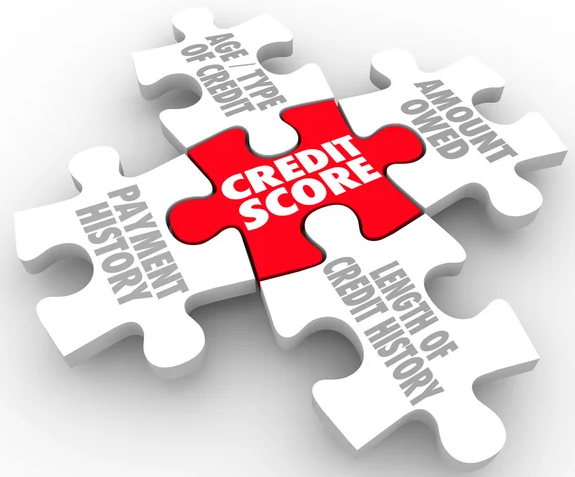
Below are five primary components of credit scores.

  • Payment history contributes the most to your credit score by looking at past transactional behaviors. It determines whether you usually settle your debts on time. A good track record shows lenders you’re responsible and reliable.
  • Credit utilization measures the amount of loan funds you’re using. Keeping your ratio at 30% or less is best. Higher usage signals risk to your lenders. It could affect your credit score negatively.
  • Length of credit history. The age of your accounts plays a vital role in your track record. A longer history typically shows responsible loan management. It contributes to a higher credit score and earns favorable terms from lenders.
  • New credit. This factor assesses how many active credit accounts you’ve opened. It looks at the frequency of hard inquiries against your name. Applying for too many over a brief period has a negative impact.
  • Credit mix looks at various sources. It assesses the different accounts you have, including cards, auto loans, and mortgages. A mix of different types shows responsible management. It usually affects your score positively.

Your financial activities influence each of these components in unique ways. For example, missed or late settlements lower your credit score. A consistent payment history improves your creditworthiness.

A credit card debt relief program can help you get your finances back on track. Opening new accounts and maintaining a long repayment history influences your score positively.

The short-term impacts of loans on credit score

Applying for a consolidation loan has several short-term impacts initially. Lenders conduct a hard inquiry on your report to determine your creditworthiness. These investigations reflect on your records and may cause a temporary credit score dip.

A hard inquiry isn’t a serious cause for concern. Its impacts decrease gradually when you meet your loan repayments on time. Keep them consistent to minimize the temporary effects.

Opening a new account for consolidating debt affects your score. It could decrease the average age of your credit history. Your utilization ratio may also fluctuate. Managing a fresh loan responsibly can restore your ratings.

Loans could affect your credit utilization rate. Transfer owed amounts with high interest to a new loan with lower charges. This action improves your usage ratio and increases your scores. It also boosts creditworthiness by showing responsible financial behavior.

Your credit score may dip temporarily after consolidating your debts. Understanding the impacts and following expert advice helps you make informed decisions. Your financial health can see improvement if you make regular and timely payments.

Below are five other short-term impacts of loans on your credit score.

  • Consolidating multiple accounts reduces your debts while creating a lower balance. This impact affects your credit score positively.
  • A single combined payment simplifies your finances. It becomes easier to avoid late fees and control your debts.
  • You may find lower interest rates with your new single loan. It helps you save money and improve your credit score and history.
  • Consolidating your debt into one account restores your financial power. It reduces the stress of handling multiple payments.
  • Loans makes money management easier and frees up your time and effort.

Taking back control of your finances clears your mind of clutter. It helps you to focus your mental energy on other responsibilities. The short-term benefits show when you meet your monthly payments.

The long-term impacts of loan on credit score

Loans also has long-term impacts on your credit score. It may improve various areas of your financial health and reputation. The benefits could accumulate and relieve the excess stress of loans.

Making consistent, on-time payments helps you build a positive profile history. It demonstrates responsible financial behavior and increases creditworthiness.

Meet the monthly loan payments to see your credit score improve. Ensure you budget for the amount owed, and the associated charges or interest fees.

68% of consumers experienced better credit scores after debt consolidation in 2019. A study found that they gained over 20 points and their performance improved. The benefits continued a year later, showing positive long-term results.

Credit utilization reduction is a benefit that takes effect as you pay off your debt. It shows lenders you’re using less of your available funds. Your score also improves, as it indicates better financial management.

A well-rounded credit profile includes various types, like cards, medical loans, and mortgages. Debt consolidation could lead to credit mix improvement. It shows lenders your ability to manage several sources.

A consolidated loan also benefits your credit history length. Closing old accounts as part of the consolidation process shortens it. Managing your funds responsibly lengthens it over time. The longer it is, the more it impacts your score positively.

Potential risks and negative impacts of debt consolidation

Debt consolidation has several benefits and could simplify your financial life. It also comes with potential risks, so understanding how to approach it is vital. Choosing a reputable financial services company helps you navigate it more easily.

Missed payments on your consolidation amount can damage your credit score. Failing to make them on time also has negative impacts. You could face higher interest rates and penalty fees. Defaulting on your loan may lead to debt collection and possible legal action.

The negative credit impact of failed payments could be damaging. It may also outweigh the benefits of a consolidation loan.

Your credit score could decrease if you open a new account for consolidation. It affects the average age of your profiles, but this is usually temporary. A hard inquiry on your report also affects your scores.

Your credit utilization rate may increase if you use a balance transfer card. This impact usually occurs if the new source has lower limits.

Improper management of your consolidation loan harms your credit score. Speak to your financial advisor about helping you with a repayment plan. This approach can help you avoid increased debt because of missed or late payments.

It’s tempting to spend extensively again after consolidating. The relief makes some feel like they’ve solved their issues. Try to avoid accumulating debt post-consolidation. It could undo the benefits and take you into a space of owing even more money.

Remember that debt consolidation is a step toward financial stability. It’s a helpful tool, but it requires careful management and commitment. Remain disciplined and focus on maintaining your payments to avoid potential pitfalls.

Tips to minimize negative impacts on credit score

Various effective strategies exist to minimize negative impacts on your credit score. Managing your funds and maintaining financial responsibility improves the benefits of consolidation. You also learn to understand your money boundaries, leading to personal growth.

First, knowing the terms and conditions of loans is vital. Debt consolidation comes with its own set of rules and payment guidelines. Sit with a financial advisor to ensure you understand them before you begin your journey.

Minimizing repercussions on your credit score requires strategic actions. Below are our top five tips to help you enjoy the benefits of consolidation consistently.

  • Settle your accounts on schedule. Timely payments are crucial for maintaining a good credit score. Setting up reminders or automatic debits can help you avoid missing them. Paying before your billing cycle ends is best to prevent late fees.
  • Use your accounts responsibly. Use less than 30% of available funds to maintain low credit utilization. Keep your balances low so your ratio remains healthy and stable. A longer repayment period with fixed interests could help manage them better.
  • Avoid maxing out credit. Create a budget and stick to a limit on your spending. Overusing your cards affects your scores negatively.
  • Don’t take more loans. Avoiding new debt is vital for maintaining a healthy credit score after consolidation. Try to resist making impulse purchases or signing up for new accounts. Use cash for discretionary shopping to help keep track of your funds.
  • Keep track of your accounts. Practicing credit report monitoring helps you increase your financial responsibility. Check your report for common errors every month. Dispute any inaccuracies with the relevant bureau if they don’t match your history.

Implement these strategies to protect your credit score during and after debt consolidation. Self-control and responsibility leads to better financial health and peace of mind. Your future self will thank you.

Find the right debt consolidation solutions with Clear Bridge Lending

Debt consolidation impacts your credit score in various ways. You may experience short-term dips and long-term benefits throughout the journey. Careful management of your loans simplifies the process and improves your financial health.

The key points to remember are the effects on credit utilization and payment history. Managing your loan responsibly results in a positive profile, improving your creditworthiness. Hard inquiries may lower your score temporarily, but timely payments restore balance.

Informed decision-making and financial planning help you avoid potential pitfalls. Avoiding late fees and settling minimum payments has positive effects on credit scores.

Clear Bridge Lending offers expert guidance to help you navigate debt consolidation options. We work with you to achieve responsibility, security, and peace of mind. Visit us today to check if you qualify and unlock long-term financial stability.

The Future of Loans: Trends and Predictions

Are you overwhelmed by multiple debts? loans could be a solution, but is it the right fit for the future?

This strategy combines several debts into a single, simplified payment. It’s a vital debt management tool in the wake of increasing delinquency. Credit card debt leads with a 10.7% delinquency rate (90 days overdue). This figure rose from 8.2% in 2023.

These delinquencies pose a significant economic impact. About 57–96% of businesses experience liquidity issues due to late payments. Sadly, most debt collection practices are inefficient and complex. Today’s borrowers demand flexibility, choice, and accessibility.

They believe debt settlement should be painless and seamless. Loan consolidation may be a worthy solution, thanks to its simplicity. Understanding its future trends is vital as the financial landscape constantly evolves.

Ready to refine your financial planning and become debt-free? Discover how upcoming trends and predictions can impact your loans strategy.

The current state of loans

Did you know most Americans depend more on borrowed funds to manage bills? As of 2023, non-mortgage debt in the USA was a whopping $4.89 trillion. Many borrowers turn to loans to merge balances and lower interest rates.

The current debt consolidation market features a growing demand. More folks seek this service due to increasing consumer debt and financial stress. Financial experts predict double-digit growth in the global debt consolidation market by 2028.

They claim the rising cost of living creates an opportunity for consolidation companies. Lenders like the Clear Bridge Lending (Clear Bridge Lending) can offer low-interest loans. Borrowers consider this option cheaper for managing multiple expenses.

A 2023 Forbes Advisor survey discovered most people use personal loans for consolidation. The average consolidation amount is $10,000–20,000. The chief reasons for consolidation are:

  • Simplify and reduce payments (Over 50%)
  • Lower interest rates (54%)
  • Reduce overall debt burden (42%)

Other popular consolidation methods include:

  • Balance transfer cards. These cards typically come with a 0% introductory rate for a period. Move your high-interest card balances to these cards to simplify debt repayment.
  • Home equity loans. They allow you to borrow against the accumulated equity in your home.

Technological innovations in debt consolidation

Technological innovations propel significant transformations in the debt consolidation industry. Merging technology and finance yields digital solutions like fintech that are borrower-friendly. These inventions simplify debt consolidation through:

  • Enhancing efficiency
  • Improving accessibility
  • Personalization of debt management solutions

Fintech helps you compare loan options, apply for consolidation, and manage repayments online. It reduces the need for traditional banking intermediaries through automated debt management.

Digital platforms leverage advanced technologies like machine learning and AI in debt consolidation. Both tools are essential to evaluating loan applications and offering personalized solutions.

AI algorithms analyze big financial data to offer tailored advice and strategies. Their intuitive design allows them to understand a borrower’s unique circumstances. They then predict the most suitable ways to consolidate and pay off debts.

Machine learning models continuously improve the debt consolidation process. They help refine strategies based on outcomes, leading to higher success rates. Tracking a borrower’s financial journey and making recommendations mid-way becomes easier.

There’s also the rise of blockchain technology for secure and transparent transactions. Lenders use it to reduce the risk of fraud and enhance trust between debtors and collectors.

Blockchain uses a decentralized tamper-proof ledger to hold all transaction records, reducing errors. This unique system makes it easier to track and verify debt consolidation activities.

The role of big data in debt management

Big data analytics entails breaking down large data sets into easily digestible formats. This data is crucial in debt consolidation as it reveals:

  • Patterns
  • Trends
  • Associations

In other words, big data helps to interpret human behavior and interactions. Insights drawn from this data lead to better decision-making by lenders. It transforms debt consolidation strategies through more accurate and personalized solutions.

Predictive analytics leverages big data to understand borrower behavior. It uses historical and real-time data to predict future trends, risks, and opportunities. Most lenders apply it in credit risk assessment.

They study metrics like customer transaction history and credit scores. From this analysis, they can almost tell whether a borrower will default. This predictive analysis helps them deny or approve loan applications with accuracy.

Big data also supports the creation of personalized repayment plans. It predicts a borrower’s behavior based on available information. Formulating data-driven strategies tailored to your financial situation becomes seamless.

Consolidation companies rely on data-driven recommendations as they help reduce default risks.

Emerging financial products and services

The debt consolidation landscape is no longer limited to conventional options. Emerging financial products and services seek to address evolving consumer needs. They offer borrowers greater flexibility and control over their debt management strategies.

Digital-only services in debt consolidation are quickly gaining pace. They’re a user-friendly route for managing multiple debts from a single platform. Their main advantage is merging loan applications, approval, and repayment under one roof.

These services aggregate data on loans, credit scores, and other debt types. They give a comprehensive overview of a borrower’s financial obligations. In other words, they track outstanding balances while suggesting optimized payment strategies.

Peer-to-peer lending is also becoming popular in this fast-paced digital age. These platforms connect borrowers directly to investors.

They typically offer more favorable terms than conventional financial institutions. Borrowers may secure lower interest rates and flexible repayment options.

Digital debt consolidation solutions prioritize flexible repayment options and customizable loan terms. This adaptability allows you to tailor repayment plans to your unique financial situation. It ultimately reduces stress and improves financial stability.

Modern lenders increasingly offer variable repayment schedules to capture more borrowers. They may provide extended terms or the ability to skip payments during difficulties.

How do you gain from customizable loan terms like flexible interest rates? You can align your consolidation plans with your long-term financial goals.

Regulatory changes and their impact

The financial industry constantly evolves, and regulatory changes are on the horizon. Experts predict even more reforms in the coming years. These shifts will likely have a profound impact on debt consolidation practices.

Some financial regulations prioritize the environment, while others, the consumer. The Environmental Protection Agency (EPA) is a key player here. EPA sets laws and standards that promote human and environmental health.

This agency may occasionally require equipment upgrades for firms in the financial industry. It could direct consolidation firms to adopt costlier processes to minimize environmental impact.

Such regulations have a ripple effect, passing down the increased costs to borrowers.

Regulatory changes will likely influence the availability and terms of debt consolidation loans. Stringent or punitive restrictions may impact the financial stability of borrowers. It’s almost like denying them access to funds.

To avoid this debt consolidation impact, lenders should be proactive. It’s imperative to have a library of federal and state rules, regulations, and policies. Staying apprised helps them expedite reviews while assessing the impact of new laws.

Regulatory bodies are also crucial in ensuring transparent and fair practices. They typically focus on data privacy, interest rate caps, and borrower protections. The leading financial regulators in the USA include:

Consumer behavior and debt consolidation

Changing consumer behavior in the USA intertwines with shifting debt management attitudes. A healthy economy gives rise to increasing wages. Most folks have more borrowing leverage thanks to steady incomes. Stable earnings empower a borrower’s repayment capacity.

Consumers increasingly seek more seamless debt management solutions. Increased spending may cause financial stress. More households prefer strategies that make them debt-free faster and affordably.

This need sparks the demand for online and mobile debt consolidation solutions. Digital lending platforms offer better accessibility and debt management ease. They reduce the hassle of going through unreliable intermediaries.

Today’s borrowers prioritize convenience. They prefer online solutions for rate comparisons and loan prequalification. This self-service aspect makes the consumer feel in control of their choices. It promotes healthier decision-making.

The modern consumer is also more proactive and informed. They’re more conscious of maintaining good credit and managing debt responsibly. This shift drives increased interest in personalized solutions that minimize negative implications.

Despite these strides, financial literacy remains crucial to navigating debt consolidation. Understanding interest rates, loan terms, and credit impact translates to informed decisions.

The bottom line? Embrace financial education resources and tools. They can empower you to approach debt consolidation with confidence.

Predictions for the future of debt consolidation

Looking ahead, experts predict a future of debt consolidation that’s:

  • Automated
  • Holistic
  • User-centric

Future predictions also show expansion in the debt consolidation market. The key growth drivers are increasing consumer debt and financial stress. Expert forecasts say the market will become more competitive. Lenders will prioritize more personalized and flexible solutions.

Fully automated services will likely dominate the debt consolidation sector. AI-powered mechanisms will speed up loan application and processing. They’ll also help in analyzing a borrower’s profile with data-driven accuracy.

Integration with financial wellness programs is another potential trend. These initiatives focus on long-term financial stability and literacy. They go beyond debt management and offer:

  • Budgeting tools
  • Credit score monitoring
  • Personalized financial advice

The growing importance of customer experience and user-friendly platforms also take center stage. Intuitive interfaces and readily available customer support will be key differentiators. Lenders will focus on building trust and user satisfaction through innovative features.

As customer experience becomes central, borrowers will expect seamless and efficient interactions.

Preparing for future trends

How do you prepare for the promising future of debt consolidation? Start by staying informed and adapting to trends. Here are a few ideas:

  • Follow industry leaders and experts. Keep up with their blogs, social media posts, and publications. Monitor their insights on future trends and innovations in debt consolidation.
  • Attend conferences and webinars. Target events focused on debt consolidation and financial technology. Network with professionals and learn about new products and services.
  • Read industry reports and research. Study research papers on debt consolidation and financial technology. Also, regularly check government websites for updates on regulations.

Not sure how to adapt to new debt consolidation products and services? Consider these tips:

  • Keep an open mind. Be ready to explore and understand new products and services.
  • Find the best fit. Read user reviews, compare features, and consider trial periods to find the ideal fit.

Financial advisors are also crucial in navigating future trends. Work with experts knowledgeable about debt consolidation and financial technology. Apply their debt consolidation tips to maximize the industry’s evolution.

Embrace the future of debt consolidation with Clear Bridge Lending

Debt consolidation is currently a top choice for most American borrowers. Its benefits span from reduced borrowing costs to faster debt repayment.

Today’s borrowers can reap even more benefits thanks to technological integration. The advent of fintech, AI, and machine learning revolutionizes debt consolidation. These innovations leverage big data and predictive analytics for better efficiency.

Emerging financial products like digital-only services and peer-to-peer lending are also futuristic. Through them, flexible repayment options and customizable loan terms are a reality.

Despite this progress, lenders should monitor changes in regulations and consumer behavior. Some laws may have a ripple effect that affects the price of debt consolidation products. Borrowers should also stay informed and adaptable to key trends.

Who better to walk you through debt consolidation than the Clear Bridge Lending? Contact us today to explore our expert-crafted solutions for becoming debt-free.

Understanding Interest Rates: A Key to Better Loan Management

Understanding Interest Rates: A Key to Better Loan Management

Are you struggling to manage your debt? Then understanding interest rates is the key to getting a handle on it.

Interest rates have a major impact on any loan you take. There are various types that have different effects on the money you borrow.

You need to be aware of your choices when you experience adversities, and we have some solutions.

Interest rates vary depending on the loan. Understanding this fact helps you make better financial decisions. You need to know your options and what benefits your situation the most.

What are interest rates?

Interest is the cost of borrowing assets, like property, vehicles, and cash. It’s the amount lenders charge you on the principal (the loaned amount). A common term for it is “the cost of money”. Higher rates make it pricier to borrow the same amount of cash.

Lenders, like the Clear Bridge Lending (Clear Bridge Lending), consider various factors when setting interest rates. They look at elements like market values, credit scores, federal policies, and competitors’ rates.

Interest rates aren’t only for loans. They also apply to certain savings accounts and certificates of deposit (CD).

In this situation, a credit union or bank pays you a percentage of the amount you deposited into your account. These deposits gain interest yearly as an annual percentage yield (APY).

Fixed vs. variable rates

There are two forms of rates a lender may charge you: fixed or variable.

Fixed rates stay constant over the loan’s lifetime. They typically include student and auto loans, and conventional mortgages.

Banks typically link variable rate loans to a benchmark. This reference point might be their prime lending rate (the lowest percentage they offer).

Adjustments to the prime rate change your loan’s interest rate with it.

Variable-rate loans include credit card debt and adjustable-rate mortgages (ARMs).

Annual percentage rate (APR) vs nominal rate

APR and nominal rate represent two distinct measures of interest rates in financial transactions.

The nominal rate focuses on the interest rate without considering inflation or compounding.

APR offers a broader view of the sum of the costs of a loan.

Here are the key differences you need to understand these interest rates:

APR:

  • Reflects the sum of costs of lending money over a year. It includes closing costs, broker fees, loan origination fees, and the interest rate.
  • You incur more fees the higher your APR is versus the interest rate. It ranges from 0.1% to 0.5% greater.
  • A low APR costs you more monthly but results in a lower total loan cost. It’s better in the long term.

Nominal rate:

  • The nominal rate calculates the interest expense on your loan. It doesn’t consider any other fees like APR does.
  • Your data, like your credit score, determines your nominal rate.
  • Low nominal rates provide smaller monthly payments but may equate to a more expensive loan total. Better for the short term.

How do interest rates affect loan costs?

Interest rates amount to the difference between the total repayment and the original loan. They also influence the full cost of your debt.

How interest rates affect your loan costs varies depending on the type of interest you get.

Two major types of interest influence your loan’s total cost: simple and compound.

Simple interest rate

Simple interest lives up to its name. It’s straightforward. You pay a percentage based on the original cost of the loan plus the original amount you borrowed.

The formula for simple interest is principal x interest rate x time.

For example, you borrow $100,000 from the bank. They give you simple interest at a rate of 3% annually. The amount you must pay back at the end of one year equals:

$100,000 + (0.03 x $100,000) = $100,000 + $3,000 = $103,000.

That means the interest you pay over a year equals $3,000. The same loan after 10 years looks like this:

$100,000 x 3% x 10 = $30,000

Compound interest rate

Compound interest rates benefit the lender more than simple ones do. They work for you when you’re saving, but put you at a disadvantage when borrowing.

Lenders who want you to pay more for the loan use compound interest. It applies to the principal and interest accumulated over time.

It’s essentially interest on interest.

Over shorter periods, like months, compound interest remains similar in value to simple. The difference between them grows the longer the term of the loan.

The calculation for compound interest is: principal x [(1 + interest rate)number of compounding periods – 1].


For example, let’s say you take a four-year loan of $200,000 at a 5% annual compounding interest rate. The total amount you pay back works out like this:

$200,000 x [(1 + 0.05)4 – 1] = $200,000 x [1.215506 – 1] = $43,101.2


The total cost of your loan equals $243,101.2 because of the compounding interest.

Factors influencing interest rates

Understanding interest rates involves knowing what influences them. There are several factors, ranging from the economy to the nature of the loan, the lender, and the borrower.

Here’s a breakdown of the key influences on interest rates:

Federal Reserve policies

The government has a major influence on interest rates. Banks set interest rates based on the federal funds rate. The United States Federal Reserve (the Fed) influences this rate using open market transactions (buying or selling previously issued US securities).

The interest rate goes down when the government buys securities and up when they sell. They either give the bank a lot of money or drain it.

Risk

Risk is a major factor influencing interest rates. Lenders may use the federal funds rate as a foundation but add to it as the risk increases.

Lenders consider your risk level to determine how much interest to charge.

Being low-risk means lenders are more likely to charge you less in interest.

The higher the risk, the greater your interest rate, and therefore, the larger the cost of the loan.

Here are the primary determinants of risk:

  • Credit score: Determines your reliability to repay the loan. An excellent credit score means you’re more likely to make repayments. You pose less risk to lenders and qualify for lower interest rates.
  • Loan amount: The more money you borrow, the greater the risk is to the lender. You may benefit from personal loan debt relief programs, but they’d prefer to avoid you needing them. Increasing the interest rate either deters you or benefits them more.
  • Period of the loan: The longer the time frame for the loan, the higher the chance you won’t repay it. There is more opportunity for adversity leading to you defaulting.
  • Inflation: As inflation rises, so do interest rates. The money lender’s loan loses purchasing power as time goes on. They must claim compensation for that decrease.

Supply and demand

Increased demand for cash and credit raises interest rates. When it decreases, so do the fees.

Supply works oppositely. When it increases, interest rates reduce. When it decreases, they rise.

More funds available to borrowers raises the supply of credit, which then decreases the cost of loaning.

The amount of credit the economy has access to reduces if you miss or delay repayments. Doing this increases interest rates because the supply went down and the demand didn’t.

Strategies to get the lowest interest rates

Understanding interest rates isn’t the only thing you need to manage your loans better. You also need to explore ways to reduce the rates you’re offered.

There are various methods to secure low interest rates and save money throughout your loan.

Here are the top six approaches:

  1. Improve your debt-to-income (DTI) ratio: Determined by dividing your total debts by your gross income (before taxes), times 100. The lower your DTI, the better. For example, lenders look favorably on 35% or below.
  1. Compare rates: Not all lenders use the same criteria to determine interest rates. Shop around to see your options or contact us to negotiate better terms on your behalf.
  1. Build your credit score: Ensure you pay your bills and debts on time. It increases your credit rating, reducing your risk level. Lenders are more likely to give you a lower interest rate.
  1. Make a larger down payment: Your down payment size directly influences your interest rate. Reduce it by offering a higher deposit on your loan.
  1. Debt consolidation: This method combines what you owe into one loan with one monthly repayment. We help you consolidate your debt and provide you with a lower interest rate compared to the average across all your dues.
  1. Try for a shorter loan term: They typically have lower interest rates but higher monthly payments compared to longer-term loans.

Pros and cons of long-term and short-term interest rates

Short-term interest rates typically move along with the Fed’s Federal Funds Rate.

Long-term interest rates experience more complex influences. These include the market, investors, and the Federal Funds Rate.

Here are the pros and cons of short-term loans:

Pros:

  • No long-term commitment
  • No need for collateral
  • Gives you access to cash immediately

Cons:

  • Qualifying for them is challenging
  • Gives you access to less money
  • Higher interest rates and more fees

Here are the pros and cons of long-term loans:

Pros:

  • Interest rates and long-term costs are lower
  • Gives you access to more money
  • The repayment period is longer with smaller payments

Cons:

  • Requires collateral
  • Your loan might be inflexible, penalizing you for paying it off sooner
  • Getting access to cash takes longer

How do interest rates affect different types of loans?

Each type of loan has a different interest rate that determines how much you repay.

Here are some different loans and how interest rates vary across them:

Mortgage loan

A mortgage is usually the largest type of loan you’ll ever take (houses are quite pricey after all). The interest lenders charge involves economic trends and your credit score.

The average interest rate for a 30-year fixed mortgage rate fluctuated between 14% and 7% over the past four decades.

Mortgage interest rates currently range from 6 to 7% between 15 and 30-year fixed mortgage loans.

Student loans

Lenders look to see if you have a stable income and a decent credit score (at least 670) when giving a student loan.

Federal student loans have fixed interest rates ranging from 5 to 8%. When the Fed raises its rates, it doesn’t affect your payments.

Private lenders have variable rates, meaning your payments see changes whenever the Fed raises their interest rates. They’re also higher for new borrowers, with averages ranging anywhere from 4 to 16%.

Credit card

Credit cards typically have higher interest rates because of a lack of collateral. They range from 21 to 28% depending on your credit score. The Fed also influences how lenders determine these rates.

Manage your balance well to avoid large amounts of interest. Defaulting leads to credit card debt, which hurts your credit score.

Manage your debt with the Clear Bridge Lending

Understanding Interest Rates: A Key to Better Loan Management

Interest rates are the cost of borrowing money and the lender’s rate of return. They have a major influence on the total loan amount you pay.

Understanding interest rates may be confusing, but it means the difference between a large repayment and a reasonable one.

Navigating loan repayments may be challenging when you don’t understand interest rates. Mismanaging them and falling into debt isn’t the final straw. We offer solutions. Check if you qualify for our consolidation services today.

Loans in the USA: Are They Right for You?

Debt Consolidation Loans

Why are loans in the USA so popular? These financial solutions are a lifeline for people with multiple debts. Juggling several financial obligations can be overwhelming. Most folks seek a more seamless and affordable way to manage debt.

These loans work by combining various debts into a single loan. You then secure a fixed monthly payment and a potentially lower interest rate. Loans favors most debt types, from credit card balances to medical bills.

Consolidation loans aim to simplify debt management. You get a seamless repayment process by reducing the number of payments to manage. This harmony can lead to savings on interest payments.

Ultimately, you may pay off your debt faster at a lower cost, improving your credit.

Industry surveys show over 50% of debtors consolidate loans for lower interest rates. Another 42% seek to cut their overall debt burden. Still, a section of respondents believe consolidation will make them debt-free. The majority of these debts arise from medical bills.

But is loans the best way to pay off your loans? Who might benefit from using these loans? Remember that this strategy isn’t a magic bullet. It suits those with a good credit score and high-interest debt.

Avoid it if you’ve no extra plans to improve your finances. Review your spending habits to get your finances under control. Consolidation may also not be worth it if you have little debt. Can you pay off your debt within 6–12 months? Consolidation efforts aren’t commensurate here.

Carefully weigh the pros and cons of consolidation loans before applying. Are the money savings substantial enough? Can you foot the added costs, if any? Does this strategy address your underlying financial issues?

Discover the benefits, risks, considerations, and eligibility requirements of consolidating loans.

What are loans loans?

Loans are financial tools that streamline debt repayment. They take away the hassle of managing multiple debts. This pressure arises from tracking and meeting different interest rates and due dates.

Consolidating debt translates into one fixed monthly payment. It’s almost like taking out a new loan to finance current debts. You end up with one interest rate, monthly payment, and due date to manage. Many consider this strategy one of the most effective debt relief measures.

The primary purpose of loans is to make your debts more manageable by:

  • Simplifying the repayment process
  • Potentially reducing the overall interest paid on the consolidated debts

Your lender provides a new, larger loan that clears your existing debts. The fresh loan could have a lower interest rate than the combined rates of the original debts.

The lender typically pays off the current debts on your behalf. Some may disburse the proceeds to you, from which you clear outstanding obligations.

For example, say you have a credit card debt of $20,000 comprising three different cards. Suppose each card has an interest rate above 20%. How can consolidation help here?

You can apply for a $20,000 personal loan to consolidate your credit card balances. Assume the new loan has a 10% interest rate and a five-year repayment term. The aftermath? You may pay off the debt faster and save some money on interest.

Typically, the types of debts you can consolidate include:

  • Credit card balances. They’re usually the primary consolidation target due to their high interest rates. These debts affect nearly 49% of cardholders in the USA. Emergency expenses push many to this end. Lower-interest credit cards may be worth trying.
  • Medical bills. Are you facing a huge, unexpected medical expense? You aren’t alone, as this issue affects 79 million Americans. While these debts don’t carry interest, they can be substantial. Consolidating them helps manage large balances more effectively.
  • Personal loans. Some folks take out several personal loans for different purposes. About 23 million Americans have unsecured personal loans. Consolidating them into one debt makes monthly payments more manageable.
  • Auto loans. These debts had reached $1.5 trillion in the USA as of 2022. Are you juggling multiple car loans? Consider consolidation to simplify the repayment burden.

The main types of loans include:

  • Balance transfer credit cards. These cards come with a 0% introductory interest rate for 6–18 months. You move your high-interest debts to the new card. Aim to clear the entire balance before the promotional period ends.
  • Home equity loans or home equity lines of credit. Do you have enough home equity and a good credit history? This option suits you. It allows you to borrow part of the equity to consolidate debt.

The specific type of consolidation depends on your credit profile and financial situation. Carefully consider your unique financial circumstances, as these loans aren’t one-size-fits-all.

What’s the potential impact on your credit score? Are there upfront costs associated with the loan?

Advantages of loans

Are you seeking a compelling financial solution to manage debt better? Check out the advantages of loans below and harness them.

Simplified monthly payments

Simplified monthly payments are among the most sought-after loan benefits. You eliminate the worry of multiple payments with a single payment. Reducing monthly payments to one lifts the stress of monitoring several due dates. You only answer to one creditor.

The payment stays the same each month, allowing you to organize your finances. You know exactly how much to budget for loan repayment.

A fixed repayment schedule rules out the possibility of unexpected payment fluctuations. It helps you develop financial discipline.

Potential for lower interest rates 

Generally, interest rates vary based on your loan amount, term length, and credit score. An excellent credit score acts like a “bargaining chip.” Lenders may offer you lower interest rates than the market average. A solid credit proves your reliability in loan repayments.

Securing a lower interest rate can reduce the total loan cost over time. Always shop around to land the most competitive rate possible. Remember, your credit score puts you at an advantage. You have more negotiation latitude for more favorable terms.

How do you compare interest rates? Focus on lenders that provide a loan pre-qualification process. They give you a preview of the interest rate and amount you would qualify for.

Did you know the average credit card rate is 20.66% as of 2024? The average interest rate for personal loans is 12.22%. Consolidating credit card balances with a personal loan may be more affordable.

Lower interest rates help you pay off debt faster as you save substantial amounts each month. Why not make extra payments with these savings to clear your debt burden? It’s easier to pay down the principal amount as you pay less interest monthly.

Put simply, lower interest rates make your debt more cost-effective.

Possible positive impact on credit score 

Effectively consolidating debt may boost your credit score by streamlining your debt management. Payment history is vital in determining your credit score (accounts for 35%).

Loan consolidation reduces the chances of missing or making a late payment.

Always strive for on-time monthly payments and be consistent. Meeting these timely payments is easier with a single loan than with multiple debts.

Loans can also reduce your credit utilization ratio. This ratio shows how much of your total available credit you currently use. Aim to keep this rate below 30% for every credit card you own. Consolidation can drop it to 0% for a specific card, improving your credit score.

Risks and considerations

Do loans in the USA always carry a financial advantage? It depends on your approach. Are you proactive enough to evaluate your strategy before signing up? Below are the risks and considerations to factor into your decision.

Risks and considerations

Potential for higher overall costs 

One of the most significant consolidation pitfalls arises from the loan term impacts. You may incur higher overall costs if the consolidation loan extends the term.

Typically, the repayment timeline begins on the first day and may run up to seven years. You could get lower overall monthly payments than previously. The downside is that your interest accrues for a longer period.

How can you sidestep this cost issue? Budget for higher monthly payments than your minimum loan payment. This strategy helps you leverage loan consolidation without the extra interest.

You’d rather pay more monthly for a shorter duration than little for an extended period.

Tip: Always review the loan terms to ensure they align with your financial situation. Does the monthly payment and repayment timeline fit within your budget?

Risks of securing debts with collateral 

One of the risks of loans is securing your debts with collateral. For example, taking a home equity loan exposes your house to risk. These consolidation loans use your house as security for the underlying obligation.

Borrowing against your home’s equity gives you better interest rates but at a higher risk. Delayed or missed payments can subject your property to foreclosure. The lender may repossess it and sell it to recover their losses.

Handle loan repayment responsibly to avoid losing your home to lenders. Avoid the urge to live beyond your means. Only consider using collateralized loans if you can make consistent payments.

There’s also the aspect of losing or diluting nominal home ownership. A consolidation typically requires you to have at least 20% equity. Borrowing against this equity depletes your ownership stake. It shows your obligations exceed assets and may impact your debt-to-income (DTI) ratio.

Importance of not accruing additional debt

What are some crucial loans considerations after successful closing? Start by acknowledging that this strategy doesn’t solve your underlying financial issues.

From there, avoid accruing additional debt as much as possible. Taking on more debt can negate the benefits of consolidation. It creates financial strain, affecting your ability to make timely payments.

Focus on meeting the requirements of the new loan before stretching your obligations. Maintain financial discipline and a commitment to paying off the consolidated debt. This approach helps you achieve your desired financial goals with consolidation.

Develop a plan to curb spending during the consolidation period. Consider steps like:

  • Creating a budget
  • Leveraging tools to track your spending
  • Identifying areas where you can cut back

Eligibility and how to apply

Does everyone qualify for loans in the USA? Eligibility typically depends on several criteria, including:

  • Credit score
  • Debt-to-income ratio
  • Overall financial stability

Lenders use these aspects to assess the lending risk and if you qualify for consolidation

Credit score

Credit score

Do you want a loans offer with a competitive interest rate? A good to excellent credit score is a prerequisite. Most lenders demand a rate of at least 700 to qualify you. A lower score doesn’t equal a denial but may attract higher interest rates. Aim for 580 and above.

Why does a credit score matter so much? Most consolidated loans are unsecured (no collateral attachments). Lenders rely on this score to protect themselves from losing money. They can gauge your repayment ability from your payment history.

Here are a few tips to improve your credit score:

  • Make on-time payments on existing debts
  • Reduce your credit card balances
  • Dispute errors on your credit report

Debt-to-income ratio

Your lender must ensure you haven’t taken more debt than you can manage. They rely on your DTI ratio to make this assessment. This metric shows all your monthly payments versus your gross monthly income.

Is your debt too high relative to your income? Lenders could find it risky and refer you to credit counseling services. Aim for a DTI ratio of 35–45% or less to get approved quickly.

Overall financial stability

Lenders usually gauge your financial stability through your income sources. They evaluate the steadiness of your income from:

  • Investments
  • Employment
  • Rental properties

A stable employment history speaks to your loan repayment capabilities. Consistently saving for emergencies and goals also reflects financial preparedness.

Once you work on eligibility, applying for loans follows these steps:

  • Shop around to prequalify for loans. Evaluate terms and rates from different lenders to test your qualification chances. You can also feed your metrics into online calculators to get a hint of the outcome.
  • Complete the loan application once you determine the best lender. Gather the necessary documentation to speed up the approval process. Be prepared with recent pay stubs, bank statements, W-2s, and tax returns. Also include identification documents.
  • Submit your application. Ensure you fill your paperwork thoroughly and accurately to expedite underwriting. Be prompt in case the lender requests additional information.
  • Accept the loan and repayment terms when you receive your loan offer. Double-check the loan rate, repayment schedule, and fees. Seek clarification on the areas you don’t understand.
  • Sign the loan offer and start repayment once satisfied with the terms. The lender may pay off your old debts or allow you to do it personally.

Can you improve your loans eligibility? Yes, consider these tips:

  • Focus on credit score improvement by making timely payments.
  • Lower your debt-to-income ratio by boosting income or paying down existing debts.
  • Shop around for the most favorable terms and interest rates.
  • Maintain stable employment.

Consolidate your debts like a pro with Clear Bridge Lending

Loans in the USA are financial lifelines for tackling multiple debts. Most people get overwhelmed handling several debts. Tracking different interest rates, payments, and due dates can be daunting.

Consolidating your debts translates into a single fixed monthly payment. This intervention simplifies your monthly payments, helping organize your finances. Consolidation also carries the potential for lower interest rates, minimizing your borrowing costs.

By streamlining debt management, consolidation can boost your credit score. Consistently making timely payments reflects positively on your credit history. It reduces the chances of late or missed payments.

As you consider loans, brace for potential risks. You may get an extended loan term, increasing your overall loan costs. There’s also the risk of securing your consolidated debts with collateral. You risk losing your home in case of default for home equity loans.

Avoid the temptation of accruing additional debt once you consolidate. This action negates the benefits of consolidation. Instead, prioritize the new loan while meeting its obligations. Maintain strict financial discipline and control your spending habits.

Test your eligibility before applying for loans. Carefully evaluate your financial situation and the various options available.

What should aid your financial decision-making? Leverage metrics like credit score and DTI ratio. They demonstrate to lenders your financial capabilities and repayment discipline.

Ready to explore the benefits of loans? Consulting financial advisors unlocks personalized advice. There’s no one-size-fits-all consolidation loan, as your financial situation is unique.

The Clear Bridge Lending (Clear Bridge Lending) is your go-to loans expert. Our industry-leading strategies have consolidated over $250 million in debt. Contact us today to leverage our personalized approach to debt.

Interpreting the Fine Print: A Closer Look at Loan Terms and Conditions

A Closer Look at Loan Terms and Conditions

How often do you overlook loan terms and conditions when borrowing? It’s time to rethink your approach before landing in financial trouble.

Did you know Americans lost over $8 billion to financial scams in 2022? This figure rose by 30% from the previous year. Most of this loss came from investment, imposter, and online shopping scams.

Understanding loan agreements leads to informed decision-making. Failure to scrutinize the fine print contributes to financial scams. You get into the snare of hidden fees, fake promises, penalties, or predatory terms.

Studying loan contract details makes you a responsible borrower. It’s the only way to avoid shoddy loan agreements that lead to endless debt.

A vicious cycle of debt makes you prone to late fees, default, and even bankruptcy. These consequences ultimately result in credit damage and legal action. Always pay attention to repayment terms, penalties, and default provisions.

Avoid rushing through loan agreements as you can skip many red flags. Nearly 5% of student loans in 2021 went into default by over 90 days. Many defaults arose from a lack of transparency in loan terms and conditions.

Most borrowers don’t fully understand their loan costs and fees. Avoid being part of these statistics by becoming a proactive borrower. Take early steps to avoid overpaying for a loan or falling into debt traps.

Discover the key aspects of a loan agreement and how to navigate legal jargon with clarity.

Key elements of loan terms and conditions

Loan terms and conditions contain critical elements that can aid your decision-making. Consider aspects like interest rates, repayment terms, and loan fees. All these components impact the total loan cost and your repayment responsibilities.

Study and understand the terms below before entering into any financial agreement.

Interest rates

Loan interest rates are the core of your debt agreement. The lender charges interest as a percentage of your loan amount. Put simply, interest is the cost of borrowing money on top of the loan amount.

The higher the interest rate, the more you pay over the loan’s life. It’s the primary way for lenders to earn income from loans. Carefully consider this rate as it tells whether your debt is affordable.

There are two primary forms of interest rates:

  • Variable. These fluctuate based on market conditions. They may result in higher or lower payments over time.
  • Fixed. They stay constant throughout the term of the loan. This fixed state offers predictability in your monthly payments.

Repayment terms

Repayment terms outline the schedule for paying back your loan in full. They mark the loan’s starting to its final maturity, usually in months or years. These terms typically encompass:

  • Payment frequency
  • The amount of each payment
  • Repayment timelines

Always ensure the repayment terms are manageable to avoid interruptions. Do they align with your financial capabilities? Is your income variable, for instance? A repayment schedule with flexible payment dates may favor you.

The loan term significantly affects your monthly payment amount. Shorter terms lead to higher payments but faster repayment. Longer terms translate to lower payments and extended repayment.

Loan fees

Loan fees are the extra charges that build up your total loan cost beyond the interest. Incorporating these costs into your loan considerations prevents surprises later on.

Here are the typical fees to look out for in your loan terms and conditions:

  • Origination fees. Lenders charge these fees for processing the loan. They’re usually flat fees charged once, regardless of the loan amount.
  • Late payment fees. These charges apply if you miss a scheduled payment.
  • Prepayment penalties. Lenders charge these fees if you repay the loan earlier than agreed.

Analyze all these costs thoroughly when comparing loan offerings to minimize borrowing costs.

Amortization schedules

Amortization schedules detail how to repay the loan over time. They’re comprehensive tables of periodic debt payments. These schedules show how much of each loan payment goes to interest and principal.

A larger portion of your payments cover interest early in the loan term. More of your payment goes toward reducing the principal amount as you progress. Understanding amortization schedules allows you to:

  • Track your loan progress
  • Project how much principal you’ll have paid down at any given point

These loan elements work together to determine the total cost of your debt. Consider them to make the most cost-effective decision for your financial situation.

The interest rate affects the total amount of interest you end up paying. Repayment terms influence the frequency and amount of payments. Loan fees can increase the overall cost of the loan. Amortization schedules determine how you repay the loan.

The importance of each component also varies depending on the loan type:

  • Mortgages. With mortgages, fixed interest rates offer stability for long-term planning. Understanding closing costs is also crucial, as they can be substantial.
  • Personal loans. Understanding fees and repayment terms is vital. It helps you assess the affordability of personal loans accurately.
  • Auto loans. Interest rates and loan terms affect the monthly car payment. They also determine the total cost of financing a vehicle.

Understanding APR vs. interest rate

Evaluating and comparing loans is a function of various aspects. Top considerations include loan interest rate and annual percentage rate (APR). But how do the two rates compare? Is one more representative than the other for comparisons?

Interest rate and APR are similar concepts with subtle calculation differences. The former refers to the cost of obtaining the principal. Lenders usually declare it during loan closing. APR may be higher than the interest rate. It incorporates other associated costs of borrowing.

Think of APR as a measure of interest rate plus extra fees charged with your loan. Lenders express both as a percentage of the loan amount. It’s a federal requirement to list the APR alongside the interest rate. Always ensure this aspect reflects in your loan agreement.

Why is the APR crucial for comparing loan offers? It provides a more comprehensive picture of the total cost of the loan. By featuring closing and origination costs, it impacts the true cost of borrowing.

Loan interest rate

For example, say a lender offers a loan with a 5% interest rate but charges a $500 origination fee. The APR would be higher than 5% to account for this additional cost.

To illustrate further, say you’re considering a mortgage loan for $200,000 with a 6% interest rate. Your annual interest expense becomes ($12,000=6% * $200,000). Dividing $12,000 by 12 months gives you a monthly payment of $1,000.

Suppose your home purchase requires mortgage insurance, closing costs, and origination fees. Assume the extra costs sum up to $5,000. Add these fees to your original loan amount to determine the mortgage’s APR. The new loan amount becomes ($205,000=$200,000 + $5,000).

Let’s now calculate the new annual payment using the 6% interest rate (6% * $205,000=$12,300). To get the APR, divide this new annual payment by the original loan amount. Your APR becomes (6.15%=$12,300/$200,000).

What if lenders with similar interest rates and monthly payments offer varying APRs? In this case, choose the lender with the lower APR. They require fewer upfront fees, offering a better deal overall.

Some lenders offer a 0% APR, so what does it mean? A 0% APR on your loan agreement means you pay zero interest on the transaction.

Even so, don’t throw caution to the wind. Some 0% APRs may have one-time fees or be temporary. Ask the lender before closing the loan.

How can you leverage APR to make informed financial decisions? Here are a few solid tips:

  • Accurate loan comparisons. When evaluating loan offers, always compare APRs to APRs (apples to apples). Don’t compare APRs to interest rates. You may not get an accurate picture of your total borrowing cost.
  • Consider loan fees. Ask about all the potential fees tied to your loan. Get clarification on each individual fee making up the APR.

Shop around for options. Request APR quotes from multiple lenders. Compare offers and settle for the most competitive terms. You can also use online APR calculators to compare loan offers.

Legal jargon explained

To better understand loan terms and conditions, get familiar with their language. Loan agreements often contain legal terms that can feel like a different language. Understanding these terms helps protect your rights and navigate the loan process confidently.

Below is a roundup of the most-used legal terms in loans.

Default

Default is failure to make payments or comply with the terms of the loan agreement. It typically arises when you skip several scheduled payments. The lender may have various rights here, including:

  • Charging late fees or penalties
  • Repossessing collateral (where applicable)
  • Taking legal action

Lien

A lien is a legal right or claim against the assets used for loan collateral. It may originate from a creditor or a legal judgment. Liens guarantee an underlying obligation, like loan repayment.

What if you don’t satisfy this underlying obligation? The lender or creditor has a legal right to seize your loan collateral. They can even sell the asset (house, car, etc.) to recoup their losses.

Collateral

Collateral is a valuable asset you pledge as security for your loan. For example, your home is the collateral for a mortgage loan. Your vehicle is the collateral for an auto loan, and so on. The lender repossesses this collateral if you default on the loan.

It’s not enough to grasp legal terminology if you don’t know where it applies. Below, we highlight borrower and lender rights in a typical loan agreement.

Borrower rights

Loan agreements should articulate essential borrower rights, including:

  • Right to information. Federal regulations require lenders to disclose all loan terms, including the APR. Ensure you receive this information clearly and concisely. It empowers you to compare offers effectively.
  • Right to privacy. You have a right to privacy protection under the Fair Credit Reporting Act. This law regulates the collection and use of consumer credit information. The lender must notify you if they use your information against you.
  • Right to dispute. You have the right to dispute inaccurate information on your credit report. Feel free to request corrections under the Fair Credit Reporting Act.
  • Right to ask questions. Don’t hesitate to ask the lender for clarification on any legal terms you don’t understand. It’s your right to be fully informed about the loan agreement before signing.
  • Right to shop around. Compare rates and terms from multiple lenders before committing to a loan. Understanding the different options empowers you to secure the best deal possible.

Lender rights

Loan agreements also define the lender’s rights in case of a breach of contract. These might include:

  • Right to information. The lender has the right to know your financial situation and usage of the loan. They may require documents, materials, and information like financial statements.
  • Right to collect late fees. Your lender can charge late fees if you miss a scheduled payment.
  • Right to repayment. Lenders have the right to receive timely loan repayment per the agreement terms.
  • Right to collateral. The lender has the right to repossess your collateral after a loan default.

The bottom line? Understanding these terms protects and empowers you to be a more informed borrower. By knowing your rights and lender rights, you can:

  • Navigate the loan process with confidence
  • Protect your assets
  • Ensure a smooth repayment experience

Remember, if you’re ever unsure about a legal term, don’t hesitate to seek clarification. Open up to your lender or consult with a trusted financial advisor.

The implications of loan defaults and late payments

Meeting your loan obligations is crucial for your financial well-being. But unforeseen circumstances can sometimes make it difficult to keep up with payments. The repercussions of loan default and late payments can be severe.

Understand these implications and how to handle them to mitigate any adverse effects.

Late payments

Failure to make timely loan payments may attract repercussions like:

  • Late payment penalties. Most lenders charge a fee for payments made past the due date. These penalties vary based on the loan agreement.
  • Credit score impact. Skipping more than three payments can negatively affect your credit score. The lender may report you to credit bureaus. This negative mark stays on your credit report for years.
  • Higher interest rates. Lenders typically rely on your credit report to set interest rates. Your future loan applications may face higher interest rates.

Loan default

Loan default arises from missing several payments consecutively. It carries more severe consequences than late payments, including:

  • Credit score impact. Missing or stopping payments affects payment history negatively, lowering your credit score. You may have trouble with future loans.
  • Legal action. Lenders may pursue legal action to recover the outstanding debt. They could sue you or seize assets in case of a secured loan.
  • Increased financial burden. You may be liable for extra fees like legal costs besides the outstanding debt.

How do lenders handle these scenarios, and what are your options as a borrower? What if you can’t afford to pay at all?

Most lenders typically follow a set process to tackle defaults and late payments. Initially, they might offer reminders and opportunities to catch up on missed payments.

More severe actions may follow if the situation doesn’t improve. The lender could initiate collection efforts or repossession of assets.

Even so, creditors are often open to working with proactive borrowers. Start by negotiating with lenders to work out a way forward. Here are a few tips:

  • Communicate your struggles early and honestly. Don’t wait until you’re in default. Reaching out to your lender and explaining your situation opens up potential solutions.
  • Explore hardship programs. Did you encounter a difficult life event that affected your loan payment ability? Check if your lender offers hardship solutions. They can help you modify your loan terms or repayment plans.
  • Negotiate a payment plan. Work out a flexible and favorable repayment plan with your lender. Ask to defer payments temporarily or enter into a forbearance agreement.

Tips for reading and negotiating loan agreements

Reading loan agreements is a crucial due diligence step. But understanding and negotiating loan terms can be intimidating without the right approach. Here are some tips to navigate the process and secure the best deal:

  • Be a thorough reader. Don’t skim. Read the entire loan agreement carefully. Check key terms like interest rates, repayment schedules, fees, and default clauses closely.
  • Ask questions. Acknowledge that you may not know everything about your loan. Ask the lender for clarification if anything is unclear.
  • Prepare well. Know your numbers by researching current market rates for similar loans. This data helps you assess the competitiveness of your loan terms.
  • Negotiate strategically. Don’t hesitate to negotiate, especially if you have a solid credit score. Focus on areas like interest rates, origination fees, or prepayment penalties.
  • Understand your rights. Familiarize yourself with borrower rights. You can dispute inaccuracies and receive accurate disclosures from the lender.
Reading and negotiating loan agreements

Once you review loan terms and conditions, here’s how to negotiate for more favorable terms:

  • Know your financial situation. Understand your credit score, debt-to-income ratio, and financial stability. Stronger financial health provides leverage in negotiating more favorable terms.
  • Assess market conditions. Keep an eye on current market interest rates and conditions. You may have more room to negotiate a lower rate if interest rates are generally low.
  • Highlight your strengths. Emphasize positive aspects of your financial profile. Do you have a stable income, a good credit score, or valuable collateral? Leverage them to negotiate for lower interest rates or reduced fees.
  • Seek competitive offers. Use offers from other lenders as leverage during negotiations. Demonstrate that you have better alternatives. This strategy can encourage the lender to provide more favorable terms.
  • Negotiate specific terms. Focus on the aspects of the loan that are most crucial to you. Do you want flexibility, for instance? You might negotiate for no prepayment penalties or a more flexible repayment schedule.

Additionally, consider seeking professional legal or financial advice on loans when necessary:

  • Consult financial advisors. They can help you understand the implications of the loan terms. These experts explain how the loan fits into your overall financial strategy. They also tell whether the loan structure favors your situation.

Legal assistance. Legal experts come in handy for complex loan agreements. They provide direction in situations involving legal implications. Their advice helps you fully understand the terms and protect your borrowing rights.

Get expert financial insights to become an informed borrower

Understanding the intricacies of loan terms and conditions is crucial to responsible borrowing. This knowledge can have a significant impact on your financial well-being. The fine print in loan agreements often holds the key to the true cost of a loan.

It also spells out potential risks and your obligations. Gathering knowledge is the key to navigating the world of loans confidently. You gain control over your financial future by grasping key elements. Look into interest rates, fees, repayment terms, and default clauses.

Remember, overlooking or misunderstanding loan terms creates pitfalls. You end with unexpected fees, debt traps, and adverse consequences for missed payments.

How do you navigate loan agreements seamlessly then? Take the time to study the fine print and seek clarity for any uncertainties. Ask questions, be honest about your financial situation, and assess market conditions. You can even leverage negotiation tips for better terms.

Understanding loan agreements empowers you to make informed financial decisions. A well-informed borrower is a protected borrower. You can compare offers accurately and avoid pitfalls. Ultimately, you secure financing that aligns perfectly with your needs.

Ready to approach loan agreements with informed borrower tips? Work with a reputable financial management company. Look no further than the Clear Bridge Lending.

Contact us today to explore our personalized smart borrowing tips and solutions.